
Deep Sea vs Inshore Fishing in Cabo
Distance, species, gear, and cost — everything you need to know to pick the right Cabo fishing trip for your group and goals.
Why Location Matters in Cabo
When planning your next trip, deciding between deep sea fishing vs inshore fishing in Cabo is essential. Each experience offers unique thrills, species, and challenges. This guide breaks down the key differences — distance, gear, target fish, and cost — to help you choose the perfect Cabo fishing adventure for your goals.
Deep Sea Fishing
Offshore · Big Game · 20+ MilesHead out 20+ miles into the open Sea of Cortez to target trophy pelagic species. Heavier tackle, bigger boats, longer trips — but the biggest fish of your life.
- Distance: 10–25+ miles offshore
- Main targets: marlin, tuna, dorado
- Gear: heavy tackle, trolling spreads
- Trip length: 6–10 hours
- Best for: experienced anglers
Inshore Fishing
Nearshore · Steady Action · 1-5 MilesStay close to the coastline targeting reef species and smaller predators. Lighter tackle, steady bites, shorter trips — ideal for families and first-timers.
- Distance: 1–5 miles from shore
- Main targets: roosterfish, snapper, sierra
- Gear: light tackle, live bait
- Trip length: 4–6 hours
- Best for: beginners, families
🗺️ From the Shore to the Open Sea — A Visual Guide
What is Deep Sea Fishing in Cabo?
Deep sea fishing means venturing far offshore — often 20 miles or more into the open Sea of Cortez. This type of fishing targets large pelagic species that roam the blue water: marlin, tuna, and dorado. It requires heavier tackle, larger boats (typically 33ft+), and a bit more endurance from the crew and anglers.
Best Season for Deep Sea Fishing
The best months for deep sea fishing in Cabo are June through November, when the waters are warm and big game fish are abundant. Peak blue marlin runs in July–October; yellowfin tuna and dorado peak August–October.
What is Inshore Fishing in Cabo?
Inshore fishing happens close to the coastline, often within a few miles from shore. Anglers use lighter tackle and focus on reef species and smaller predators. It's a great choice for families, beginners, or anyone seeking shorter trips with steady action and minimal travel time.
Best Season for Inshore Fishing
Inshore fishing is productive year-round. However, spring and early summer often bring excellent conditions — especially for roosterfish (peak May–August) and sierra (peak winter months).
Species by Location — What You'll Catch Where
Each zone has its own cast of characters. Here's what most anglers can expect:
Deep Sea Species
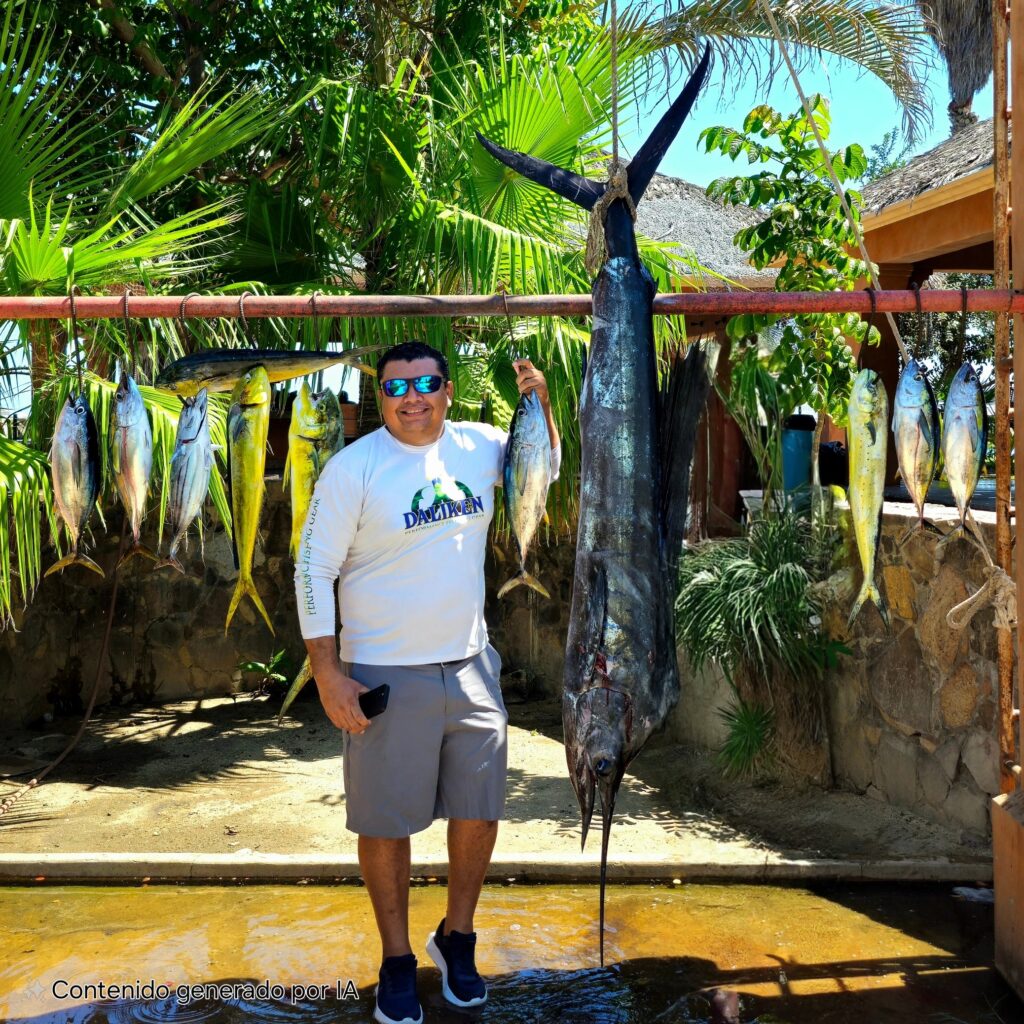
- Blue MarlinUp to 500+ lbs
- Striped Marlin100-250 lbs
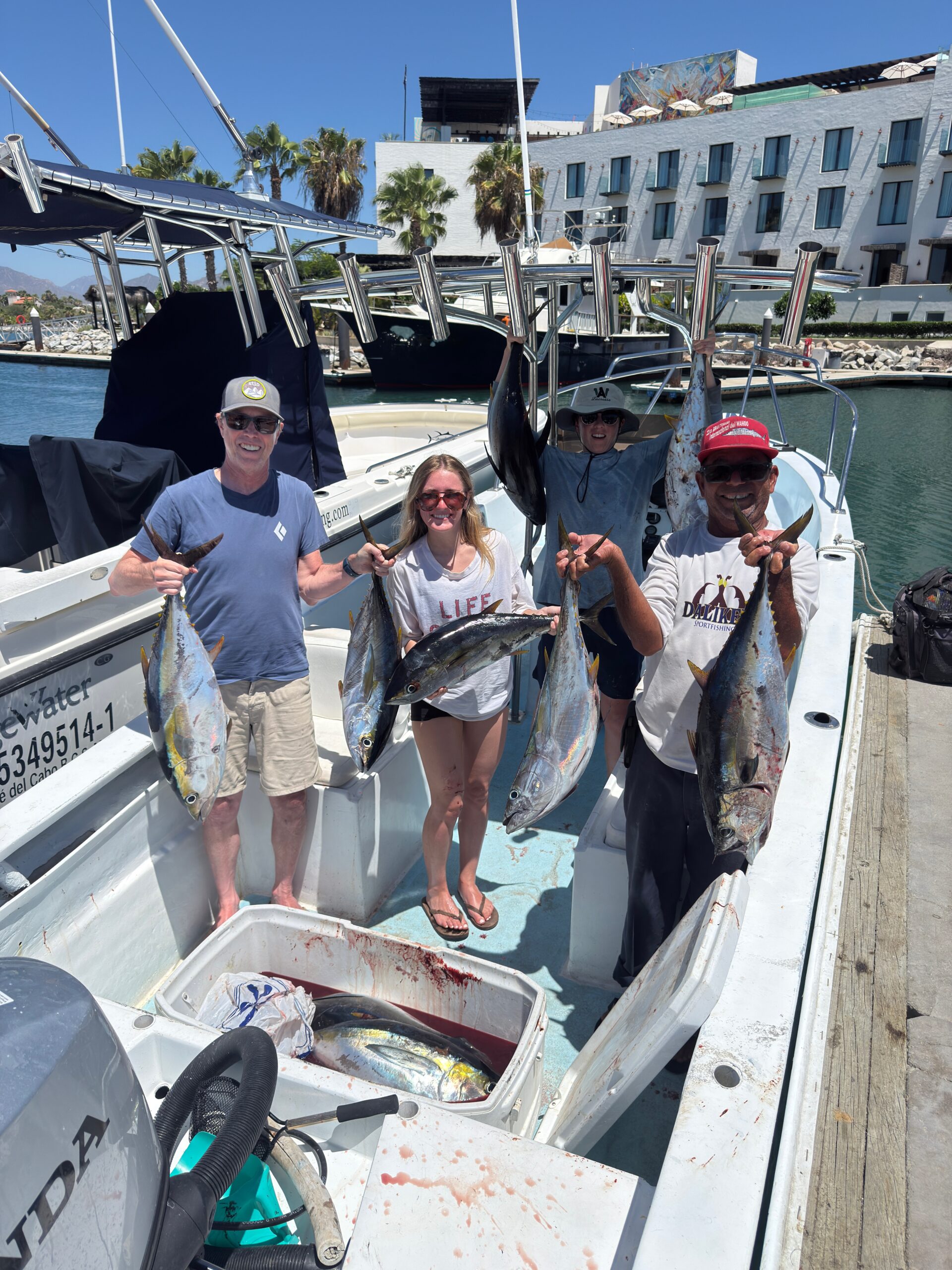
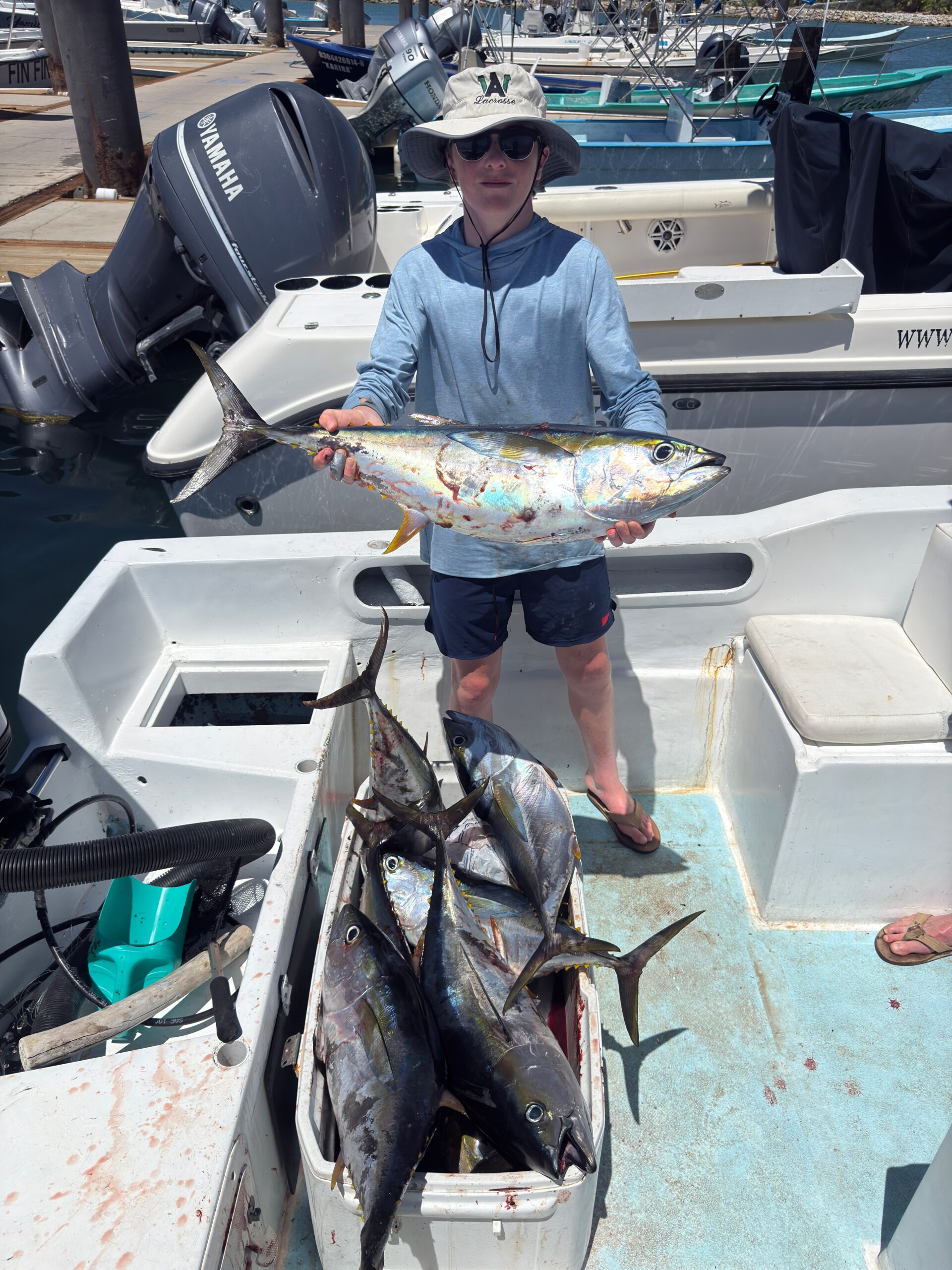
- Yellowfin Tuna40-200+ lbs
- Dorado (Mahi)15-50 lbs
- Wahoo25-60 lbs
- Sailfish50-100 lbs
Inshore Species
- Roosterfish15-80 lbs · iconic Baja fish
- Red Snapper (Pargo)5-20 lbs · great eating
- Sierra Mackerel3-8 lbs · ceviche favorite
- Jack Crevalle10-25 lbs · hard fighter
- Grouper10-30 lbs · reef dwellers
- Triggerfish2-5 lbs · fun light tackle
Key Differences — Side by Side
A direct head-to-head so you can see the key differences at a glance:
| Factor | 🌊 Deep Sea | 🏖️ Inshore |
|---|---|---|
| Distance | 10–25+ miles offshore | 1–5 miles from shore |
| Gear | Heavy tackle · 50-130 lb line | Light tackle · 20-40 lb line |
| Trip Duration | 6–10 hours | 4–6 hours |
| Main Targets | Marlin, tuna, dorado, wahoo | Roosterfish, snapper, sierra, jacks |
| Best Boats | 33ft ABAMAR, 38ft YNOKT | 23ft / 26ft Super Panga, 28ft Habanero |
| Skill Level | Intermediate to advanced | Beginner-friendly |
| Best Season | May–November (peak) | Year-round |
| Price Range | $650 – $1,200 USD | $270 – $520 USD |
| Sea State | Can be choppy offshore | Calmer near shore |
| Family Friendly? | Older kids / teens OK | Great for kids of all ages |
Captain's tip: The smartest anglers don't pick one or the other — they book a combo trip. Start offshore in the morning for dorado or tuna, then run back to the coast in the afternoon for roosterfish or snapper. The 26ft or 28ft boats are perfect for this hybrid plan because they handle both environments well.
See the Difference — Cabo Fishing Gallery
How to Choose the Right Cabo Fishing Adventure
Your decision comes down to 4 key factors:
- Experience Level: Beginners and families often prefer inshore trips for the steady action and comfort. Experienced anglers gravitate to deep sea for trophy fish.
- Fishing Goals: Trophy hunters choose deep sea adventures. "I just want to catch something fun" → inshore every time.
- Time Available: Half-day options (4-6 hrs) favor inshore. Full offshore runs need 8+ hours.
- Budget: Deep sea charters are usually 2x-4x the price of inshore trips due to larger boats, more fuel, and longer hours.
Knowing your goals helps tailor the perfect fishing day. Not sure? Message us with your group size and goals — we'll recommend the perfect plan based on the season and recent fishing reports.
Frequently Asked Questions
Is deep sea fishing or inshore fishing better for beginners?
Inshore fishing is usually better for beginners. Shorter rides, lighter tackle, steadier action, and less chance of seasickness. Deep sea trips can be rough offshore and require more physical endurance — great for confident anglers but tough on first-timers.
Can you combine deep sea and inshore fishing in one trip?
Yes — and it's one of our most requested itineraries. Start the day offshore for marlin, tuna, or dorado (2-4 hours), then run back to the coast for inshore species (2-3 hours). The 26ft or 28ft boats handle this combo perfectly. Ask about our "combo day" when booking.
Which fishing is cheaper in Cabo — deep sea or inshore?
Inshore is significantly cheaper, typically ranging from $270–520 USD for a 4-6 hour panga trip. Deep sea charters on a 33ft or 38ft boat usually run $650–1,200 USD for 6-10 hours. The price difference comes from boat size, fuel costs, and longer trip duration.
Is inshore fishing in Cabo year-round?
Yes. Inshore species like snapper, sierra, and jacks bite all year. Roosterfish is most active May–August but can be caught year-round. Sierra peaks in winter (December–February). You'll always find something biting inshore.
What's the biggest fish caught inshore in Cabo?
Roosterfish can reach 80+ lbs inshore — some of the biggest in the world are caught off San José del Cabo beaches. Jack crevalle can hit 30 lbs, and snapper occasionally pushes 20+ lbs. Not marlin-sized, but seriously fun on light tackle.
Do I get seasick on deep sea vs inshore trips?
Deep sea has higher seasickness risk because of bigger swells offshore and longer trips. Inshore is typically calmer. If you're prone to motion sickness: take Bonine 12 hours before, eat a light breakfast, avoid alcohol the night before, and pick inshore over offshore when possible.
Can you see Cabo Arch from offshore deep sea trips?
Yes! Most deep sea trips from Puerto Los Cabos pass near the iconic Cabo Arch and Land's End on the way to or from offshore grounds. Bring your camera — the views are spectacular.
What boats are best for each type?
Inshore: 23ft or 26ft Super Panga (small, agile, handle shallow water). Deep Sea: 33ft ABAMAR or 38ft YNOKT (bigger fuel capacity, offshore safety features, fighting chairs). Combo trips: 26ft or 28ft Habanero work for both.
Keep Learning — Related Guides
Now that you understand where to fish, explore these guides to learn how and what:
Ready to Book Your Cabo Fishing Trip?
Ultimately, whether you choose deep sea or inshore fishing in Cabo, an unforgettable experience awaits. Both offer thrilling fights, stunning scenery, and memories that last a lifetime. Book your trip today and experience the magic of the Sea of Cortez with Daliken Sportfishing.
© 2026 Daliken Sportfishing · Angler Location Guide · San José del Cabo, MX