
Los Cabos
Fishing Spots
The complete authority guide to every productive fishing spot in Los Cabos: 13 banks, seamounts, and zones across the Sea of Cortez, Pacific, East Cape, and inshore coastlines. Distances, species, seasonality, and which boat for which zone.
Where two oceans meet, the world's most productive fishery begins.
Los Cabos sits at the southern tip of the Baja California peninsula, where the Sea of Cortez meets the Pacific Ocean. This convergence creates one of the most productive sportfishing zones on the planet. Within 70 miles of Puerto Los Cabos Marina, there are at least 13 distinct fishing spots producing world-class billfish, tuna, dorado, wahoo, and roosterfish. Knowing which spot to fish, when, and from which boat is the difference between a good trip and a legendary one.
Los Cabos Fishing Geography
Los Cabos refers to the twin destinations of Cabo San Lucas and San Jose del Cabo at the southernmost tip of the Baja California Sur peninsula. The two towns sit roughly 20 miles apart along the Tourist Corridor, but their fishing waters extend in different primary directions: Cabo San Lucas fleets push west into the Pacific, while San Jose del Cabo fleets work east and north into the Sea of Cortez.
The Sea of Cortez, named the "world's aquarium" by Jacques Cousteau, meets the Pacific Ocean at Land's End in Cabo San Lucas. This convergence creates the nutrient-rich currents that drive the entire regional fishery.
The two ocean systems
The Sea of Cortez (also called the Gulf of California) is a semi-enclosed body of water with high nutrient density, warm waters, and powerful currents driven by tidal exchange with the Pacific. It hosts more than 900 fish species and is a UNESCO World Heritage site for its biodiversity. The Pacific Ocean on the western side delivers cold, nutrient-laden upwellings that attract massive pelagic gamefish, especially blue and striped marlin.
The convergence at Land's End
The Arch (El Arco) at Cabo San Lucas marks the literal end of the Baja peninsula where the two seas meet. Within a few miles of Land's End, anglers can fish either ocean depending on conditions, target species, and crew preference. This geographic flexibility is one of the unique advantages of fishing Los Cabos.
Puerto Los Cabos Marina (Daliken's home port)
Daliken Sportfishing operates from Puerto Los Cabos Marina in San Jose del Cabo, on the Sea of Cortez side. Our typical fishing waters are the productive banks and zones to the east and north: Gordo Banks (5-10 miles), Iman Bank (13 miles), Punta Gorda (inshore), and the East Cape zone (30-40 miles). For Pacific banks like Golden Gate and San Jaime, longer runs are required and our Habanero 28ft is the appropriate boat.
Map of Every Los Cabos Fishing Spot
All 13 spots plotted with approximate positions relative to Puerto Los Cabos Marina and Cabo San Lucas. Color-coded by zone type. Distances are approximate sea miles from Puerto Los Cabos.
Los Cabos Fishing Zones
Schematic map - distances and positions approximate for illustration
What Are Banks and Why Fish Gather There
A fishing "bank" or "seamount" is an underwater feature, often a submerged mountain, plateau, or sharp rise from the deeper ocean floor. These features are critical for sportfishing because they create the conditions that concentrate baitfish and, in turn, the predatory gamefish that hunt them.
The science of why banks produce fish
When deep ocean currents hit the steep sides of a bank, they are forced upward in what oceanographers call "upwelling." This upwelling carries cold, nutrient-rich water from the depths to the surface. Those nutrients fuel plankton blooms. Plankton attracts baitfish like sardines, mackerel, and squid. Baitfish attract the apex predators: tuna, marlin, sailfish, dorado, and wahoo. The result is a concentration of life that you simply do not find in random open ocean.
Offshore action over a productive bank. The visible water disturbance, bird activity, and concentrated bait are all hallmarks of fishing over a seamount or bank where upwelling currents drive the food chain.
What experienced captains look for
- Temperature breaks: lines on the water where warm and cold meet, often visible as color changes
- Current edges: where two current systems converge, debris collects, and bait accumulates
- Bird activity: frigates, boobies, and gulls feeding on baitfish indicate gamefish below
- Surface bait schools: visible balls of sardines or mackerel being pushed up by predators
- Floating debris: logs, ropes, and weed patches that attract dorado and mahi-mahi
- Water color: blue water versus green water transitions hold gamefish
Why Los Cabos has so many productive banks
The southern tip of Baja California is geologically active and features dramatic underwater topography. Within a 70-mile radius of Cabo, the seafloor rises and falls through canyons, plateaus, and seamounts. This terrain combined with the convergence of Pacific and Sea of Cortez currents creates the unique fishery that makes Los Cabos a top-five global sportfishing destination.
Gordo Banks (Inner and Outer)
The Gordo Banks are arguably the most famous fishing zone in all of Los Cabos. Located 5-10 miles east of Puerto Los Cabos Marina, these two underwater seamounts (Inner Gordo at ~5-7 miles, Outer Gordo at ~7-10 miles) are renowned worldwide for producing trophy yellowfin tuna, summer marlin, winter wahoo, and consistent dorado action year-round.
Inner Gordo Bank
Inner Gordo is the closer of the two Gordo seamounts and is fished daily by Cabo fleets. The relatively short run time means even half-day trips can target it productively. Yellowfin tuna here typically range from 30-80 lbs but trophy 100+ lb fish are caught regularly. Summer marlin (blue, striped, black) cruise the bank. Winter wahoo can be aggressive on the temperature breaks.
Outer Gordo Bank
Outer Gordo is the deeper, more open-water seamount that produces the largest trophy yellowfin tuna in the region. Cow yellowfin in the 150-300 lb class are landed here, particularly during summer and early fall when the bigger fish push in. The Outer Gordo is also a top zone for blue marlin in summer and striped marlin in winter. Currents can be strong and weather more exposed than Inner Gordo.
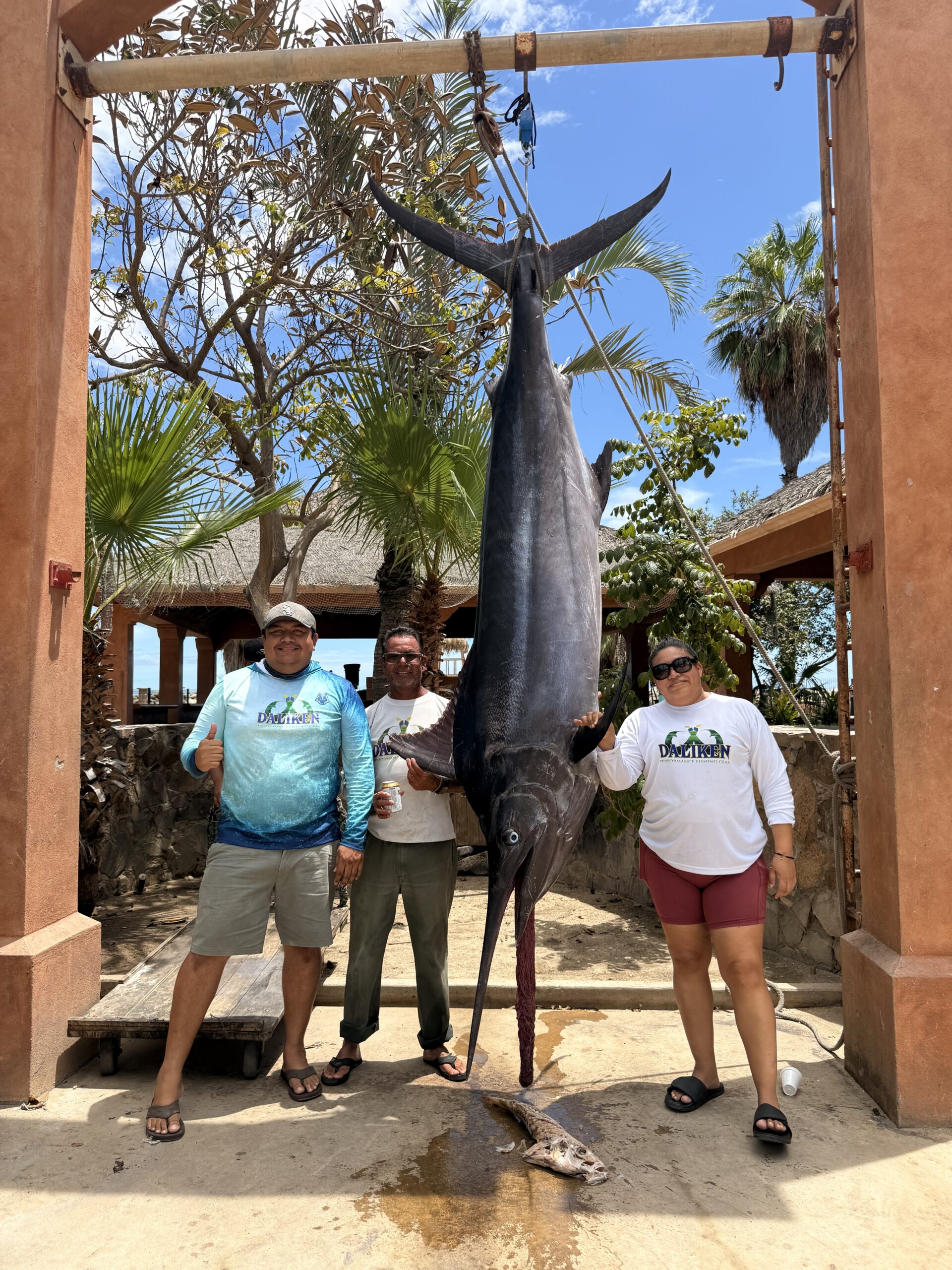
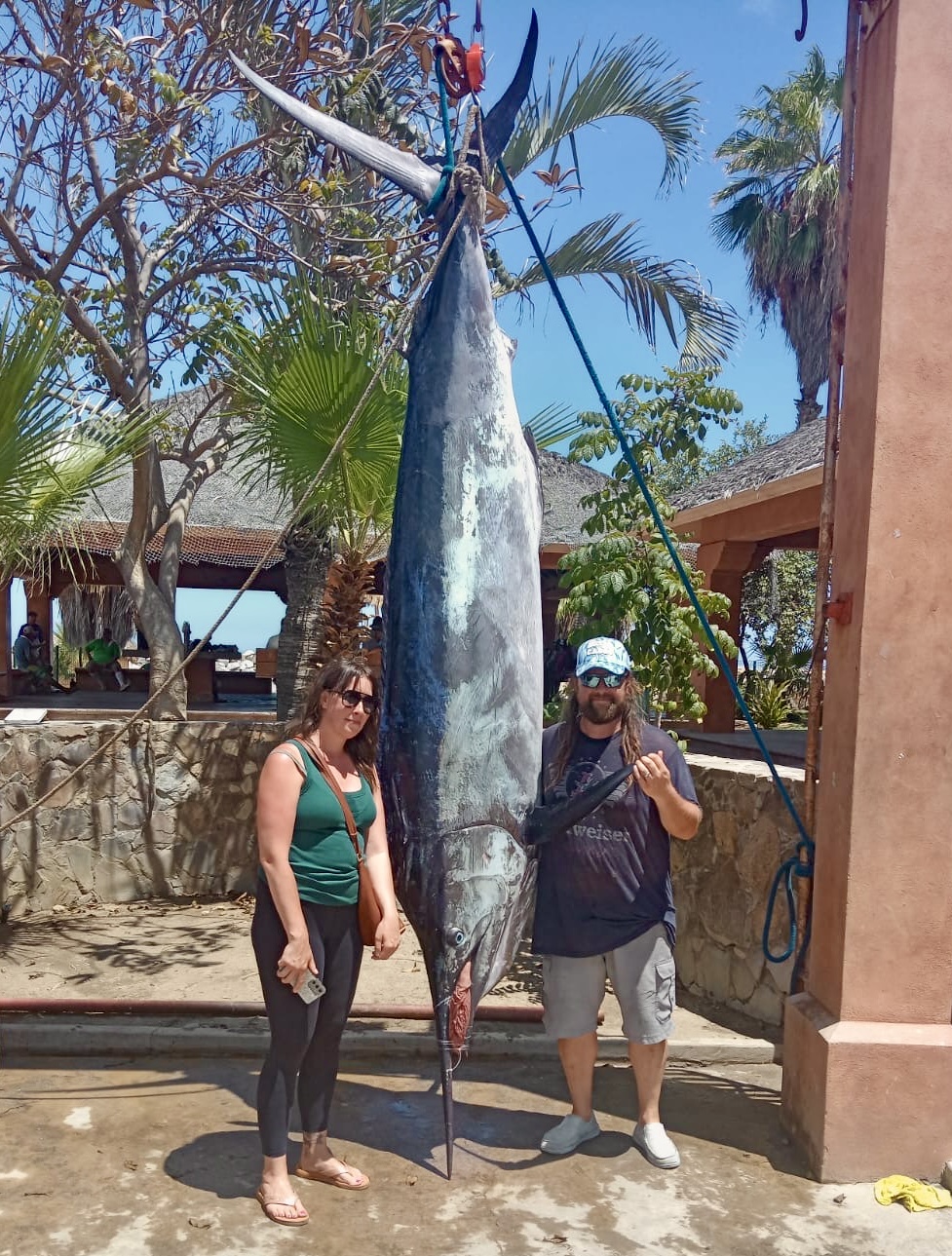
A trophy catch from the Gordo Banks zone. Both Inner and Outer Gordo produce world-class results that put San Jose del Cabo on the global sportfishing map.
The Gordo Banks are our home water. Captain Pancho and our crew fish them year-round in every weather window. For dedicated yellowfin tuna trips, see our Yellowfin Tuna Gordo Banks page with seasonality, tackle, and booking details.
Other Sea of Cortez Banks
Beyond the Gordo Banks, the Sea of Cortez offers two more productive zones that experienced captains rotate through depending on conditions, fish movement, and crowding.
Iman Bank
Iman Bank is the lesser-known but often more productive cousin of the Gordo Banks. Located further offshore in deeper water, Iman produces large yellowfin tuna, blue marlin (especially in summer), and quality wahoo. Because it is less heavily fished than the Gordo Banks, current action is often better here, particularly on calm days when the crowd at Gordo gets dense.
Punta Gorda
Punta Gorda is the rocky point just north of Puerto Los Cabos Marina and the closest productive zone to the dock. The shore drop-off here produces roosterfish, jack crevalle, sierra mackerel, pargo, and occasional larger pelagics that cruise close. Punta Gorda is an excellent option for shorter half-day trips, mornings of light wind, and family groups who want action without long runs.
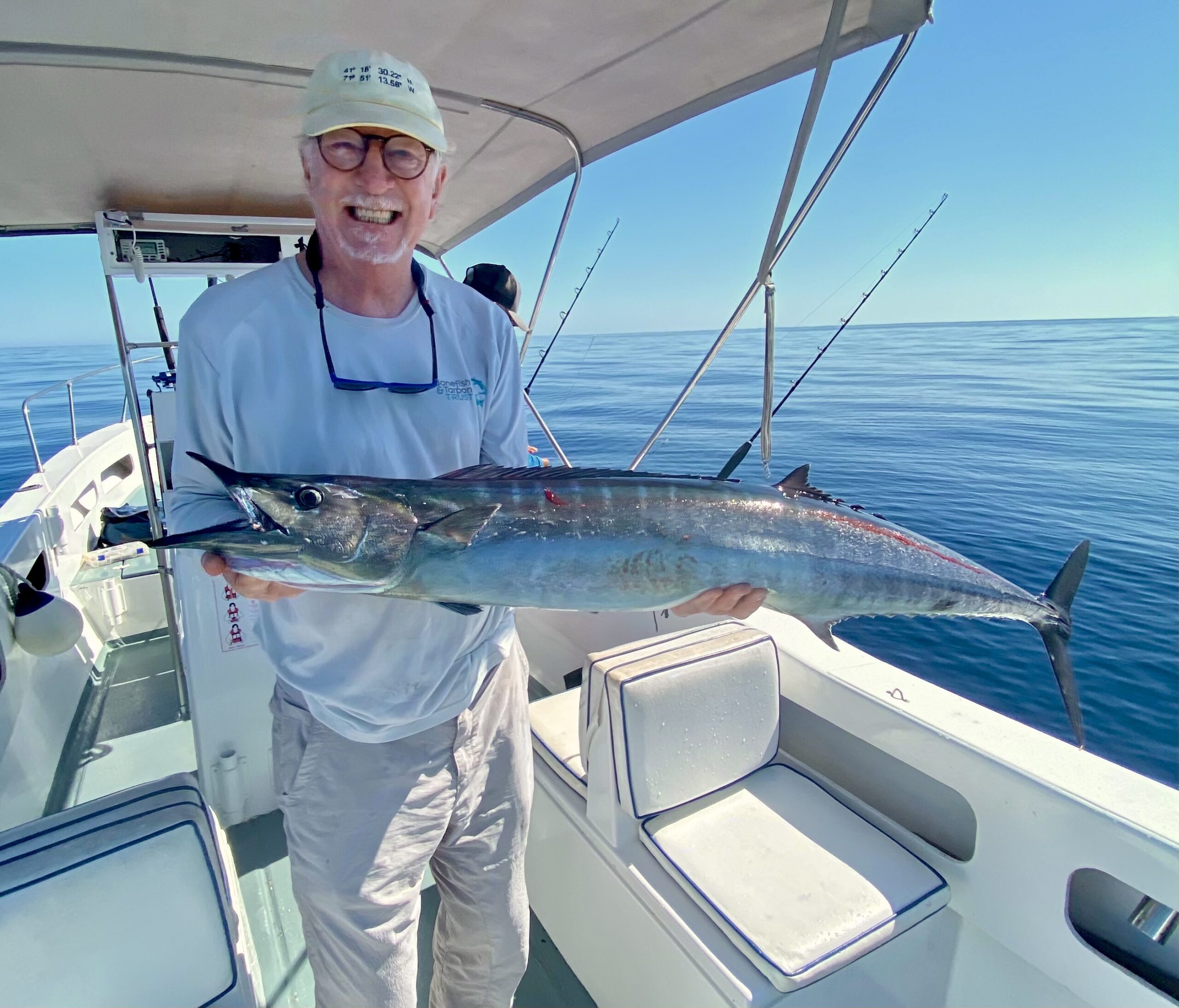
A wahoo released back to Sea of Cortez waters. The Iman Bank is one of the most consistent wahoo zones in the region, especially during the November-February peak season.
Pacific Side Fishing Banks
The Pacific side of Los Cabos hosts three of the most legendary fishing banks in the world: Golden Gate, San Jaime, and Finger. These banks produce trophy blue and striped marlin, massive yellowfin tuna, and seasonal wahoo. They require longer runs and better weather windows, but the rewards are some of the largest and most prestigious gamefish in the entire region.
San Jaime Bank
San Jaime Bank is the closer of the two famous Pacific banks and is fished extensively by the Cabo San Lucas fleet. Striped marlin in winter, blue marlin in summer, large yellowfin tuna, and seasonal wahoo make San Jaime a year-round destination for serious anglers. Currents can be strong and the open Pacific exposure means weather is a primary consideration.
Golden Gate Bank
Golden Gate Bank is one of the most storied billfish destinations in the Pacific. The bank holds striped marlin in remarkable densities during winter, with double-digit days possible during peak January-March season. Blue marlin push in during summer. Trophy yellowfin tuna in the 100-200 lb class are caught here regularly. The long run requires committed full-day trips and stable weather.
Finger Bank
The Finger Bank is the most distant of the productive Los Cabos fishing zones and one of the most legendary blue marlin grounds in the Pacific. Trophy blue marlin in the 500-1,000+ lb class are landed here, particularly during the September-October peak. The Finger Bank is generally fished by larger sport fishing vessels on full-day or overnight trips. For a true Finger Bank expedition, contact us directly so we can coordinate appropriate logistics.
Pacific bank trips require longer runs and exposure to open ocean swells. Our 28ft Habanero is the appropriate boat for San Jaime and Golden Gate full-day trips when weather permits. For Finger Bank or extended Pacific expeditions, we recommend contacting us directly via WhatsApp to coordinate specialty arrangements.
East Cape Fishing Zones
The East Cape refers to the Sea of Cortez coastline running north from San Jose del Cabo toward La Ribera and Bahia de Palmas. This zone is famous for roosterfish, dorado, and the legal waters surrounding Cabo Pulmo National Park (fishing is prohibited inside the park itself but East Cape waters around it are productive). Daliken charters reach these zones on full-day trips with the Habanero 28ft.
Las Frailes
Los Frailes is one of the global epicenters of trophy roosterfish. The rocky points and beach drop-offs hold large roosters in the 40-80 lb class during peak May-October season. Live bait inshore presentations near the rocks are the primary technique. Las Frailes is the closest of the East Cape zones to our home port and the most commonly requested by anglers targeting roosterfish.
Punta Pescadero
Punta Pescadero is north of Las Frailes and offers more roosterfish opportunities along with offshore action for dorado and marlin in the deeper waters off the point. The longer run by sea means trips here typically require committed full-day bookings, though anglers staying in the East Cape area can shorten the boat portion of the trip.
Boca de Salado
Boca de Salado is one of the East Cape's hidden roosterfish zones, with consistent production and less pressure than the more famous spots. Daliken can reach this area on extended full-day trips or in coordination with overnight stays in the East Cape area.
Vinorama
Vinorama is the closest East Cape rocky shore zone and offers productive roosterfish action with shorter run times than the more distant spots. The rocky shoreline and beach drop-offs hold roosters throughout the warm season.
The East Cape includes the area around Cabo Pulmo National Park. Fishing is strictly prohibited inside the park itself, but the waters outside the park boundaries (Los Frailes, Punta Pescadero, Boca de Salado) are legal sport fishing zones. See our Cabo Pulmo Fishing Guide for complete details on park rules and legal alternatives.
Inshore and Coastal Spots
Not every productive Los Cabos fishing spot requires a long offshore run. The inshore zones along both the Pacific and Sea of Cortez coasts produce excellent action for roosterfish, jack crevalle, sierra mackerel, pargo, and occasional larger pelagics that cruise close to the rocks.
Cabo Falso
Cabo Falso ("False Cape") is the Pacific coastline immediately west of Cabo San Lucas. This zone holds striped marlin in winter, dorado seasonally, and is famous for the consistent action along the temperature break where Sea of Cortez and Pacific waters meet. The Cabo Falso zone also includes the famous El Faro Viejo (Old Lighthouse) area.
95 Spot (95 Fathom Curve)
The 95 Spot refers to the 95-fathom depth contour south of Cabo San Lucas where the water depth drops rapidly. This drop-off concentrates bait and gamefish along its edge, producing striped marlin (especially winter), dorado, and seasonal wahoo. It is one of the most consistently productive zones close to the Cabo San Lucas harbor.
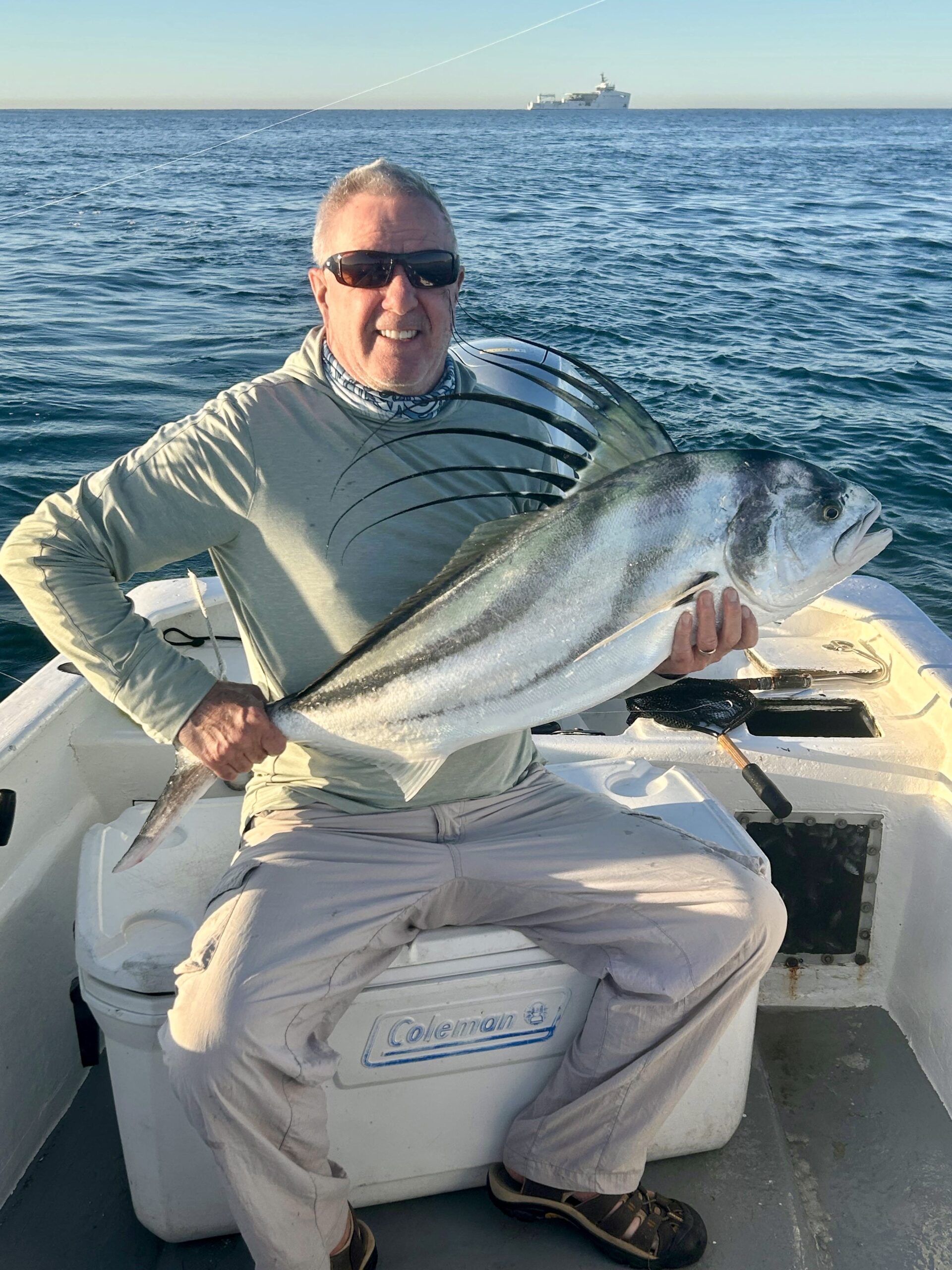
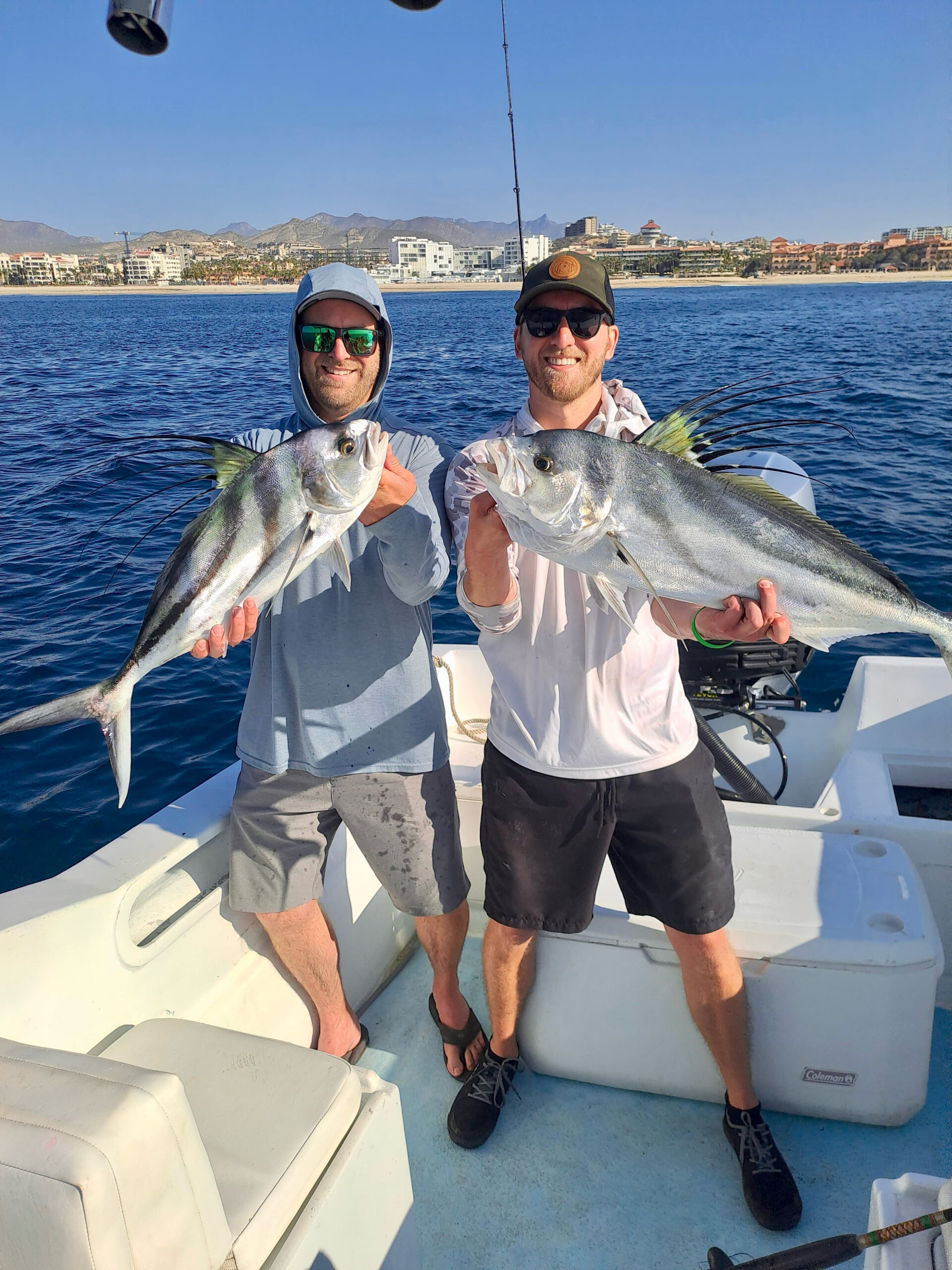
A roosterfish released in inshore waters. The coastal zones produce some of the most exciting light-tackle action available in Los Cabos, often within minutes of leaving the dock.
Seasonality Calendar by Spot
Each Los Cabos fishing zone has its peak months when fish concentration and quality are highest. Use this calendar to align your trip dates with the spots most likely to produce trophy results during your visit.
How to use this calendar
Pick your travel month, then identify spots showing peak (orange) coloring. Those are your priority zones. For example, a January trip should focus on Cabo Falso, Golden Gate, San Jaime, and the 95 Spot for winter striped marlin and wahoo. A July trip should focus on Gordo Banks, Iman, and East Cape spots for summer marlin, big yellowfin tuna, and roosterfish.
Combining spots in one trip
Most full-day trips work two or three spots. A typical productive day might troll out to Outer Gordo, work the temperature breaks for tuna and dorado, then push to Iman if conditions warrant, returning by Inner Gordo to pick up afternoon action. East Cape full-day trips usually focus on one main area (Las Frailes or Vinorama) with secondary stops along the way.
Which Boat for Which Spot
Not every Daliken vessel is appropriate for every fishing spot. Longer offshore runs require larger, more capable boats with better range, more comfort, and better weather handling. Use this matrix to plan your booking.
Super Panga 23ft - best for inshore and close offshore
Our 23ft Super Panga is ideal for inshore zones (Punta Gorda), close offshore spots like Inner Gordo, and half-day trips. Compact and maneuverable, perfect for groups of 1-3 anglers focused on close-to-port action.
Super Panga 26ft - the workhorse for most spots
The 26ft Super Panga is our most popular boat and handles 90% of customer trip requests. Suitable for Inner Gordo, Outer Gordo, Iman Bank, Vinorama, Cabo Falso, and most East Cape and inshore zones. Groups of 1-4 anglers fish comfortably.
Habanero 28ft - reach the longer runs
For Pacific banks (San Jaime, Golden Gate), distant East Cape spots (Las Frailes, Punta Pescadero, Boca de Salado), and full-day Iman Bank trips, the 28ft Habanero offers the range, speed, and comfort required. Groups up to 6 anglers, full-day comfort for longer runs.
If your priority is Gordo Banks plus some flexibility for Iman or East Cape, book the 26ft Super Panga. If your priority is Pacific banks or East Cape distance, book the Habanero 28ft. If you want shorter trips closer to port, the 23ft Super Panga is the value option. See full fleet details and book here.
Complete Summary Table: All 13 Los Cabos Fishing Spots
Every spot covered in this guide, side by side for fast comparison.
Real Daliken Catches Across the Region
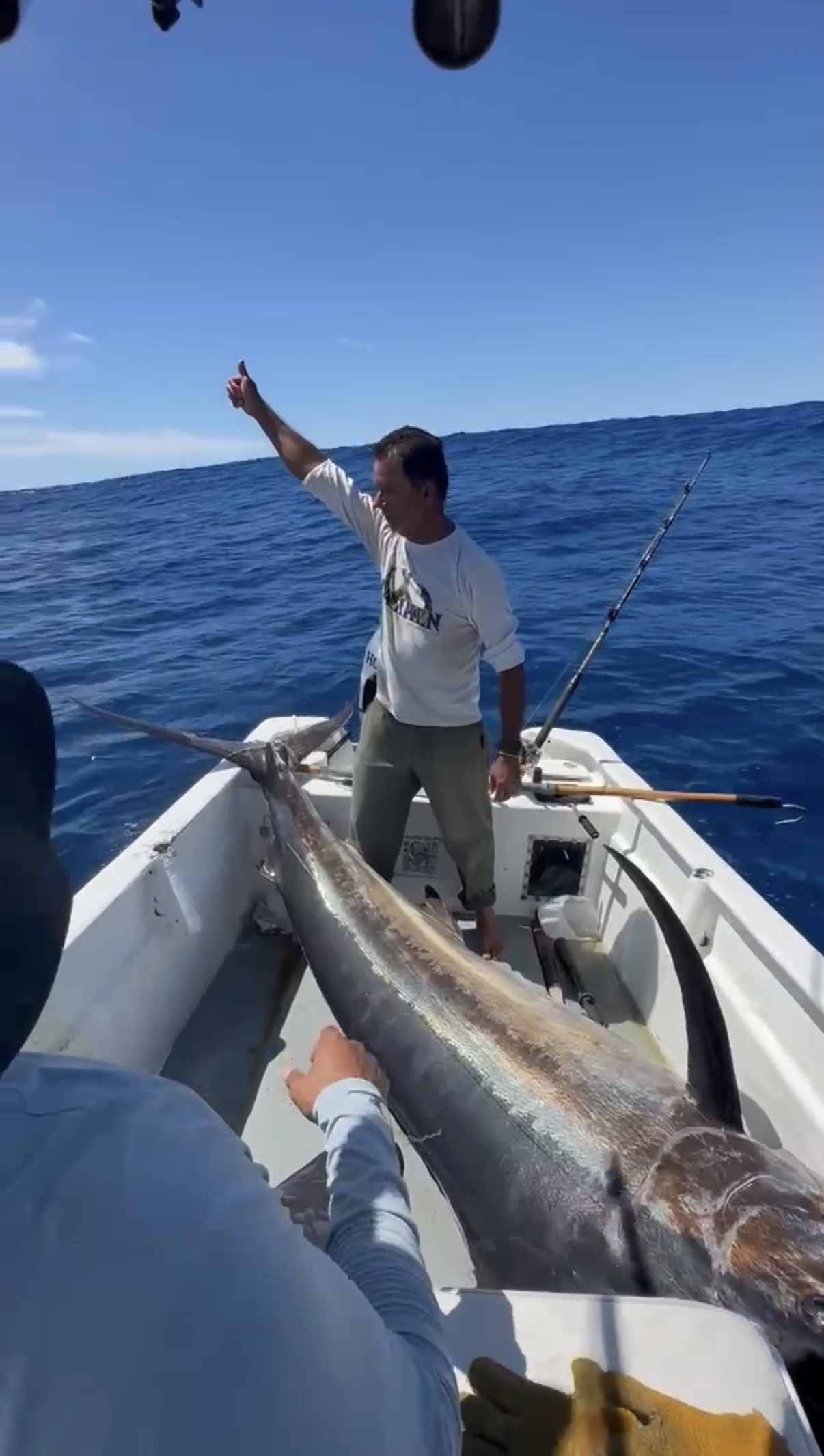
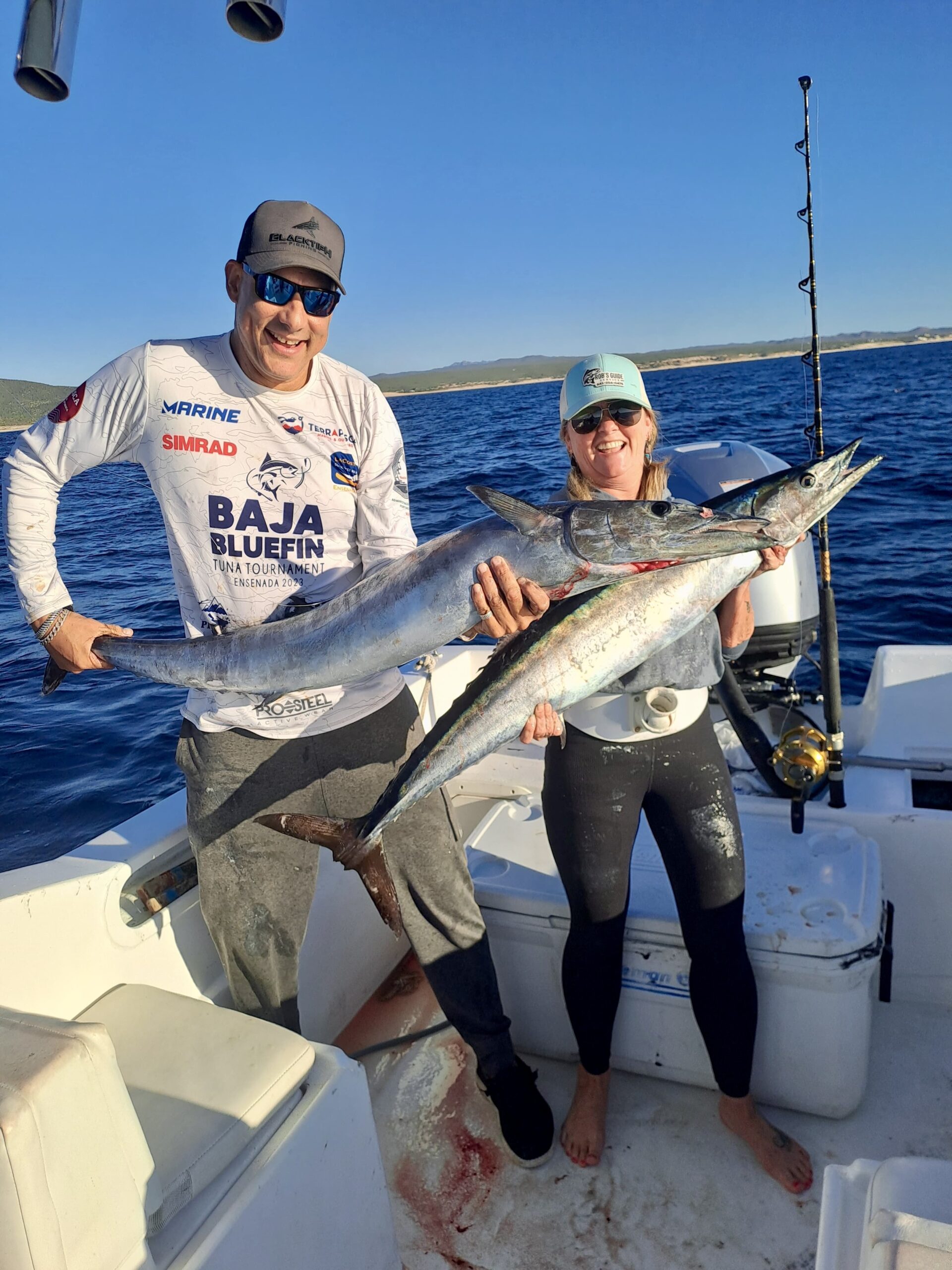
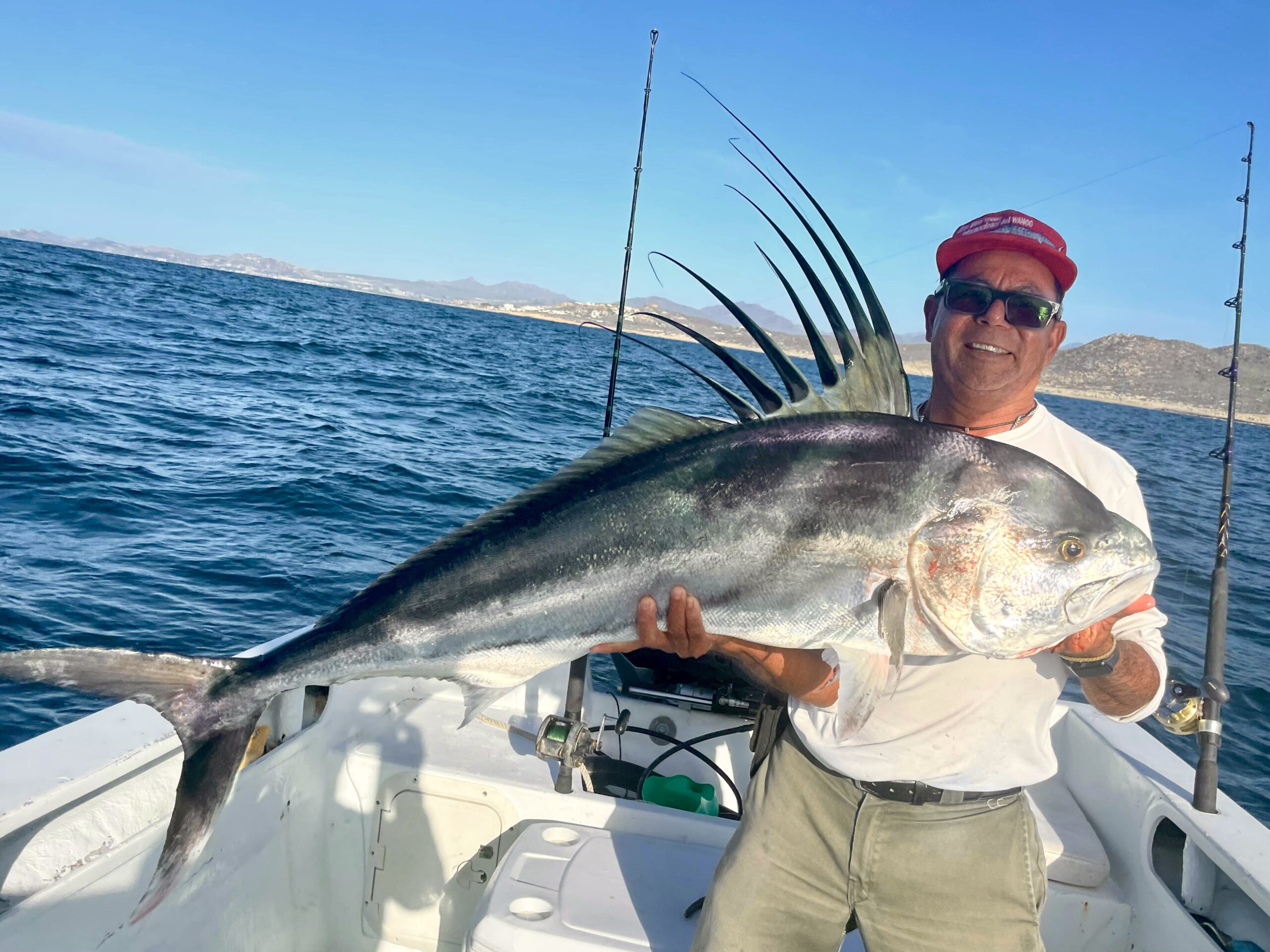
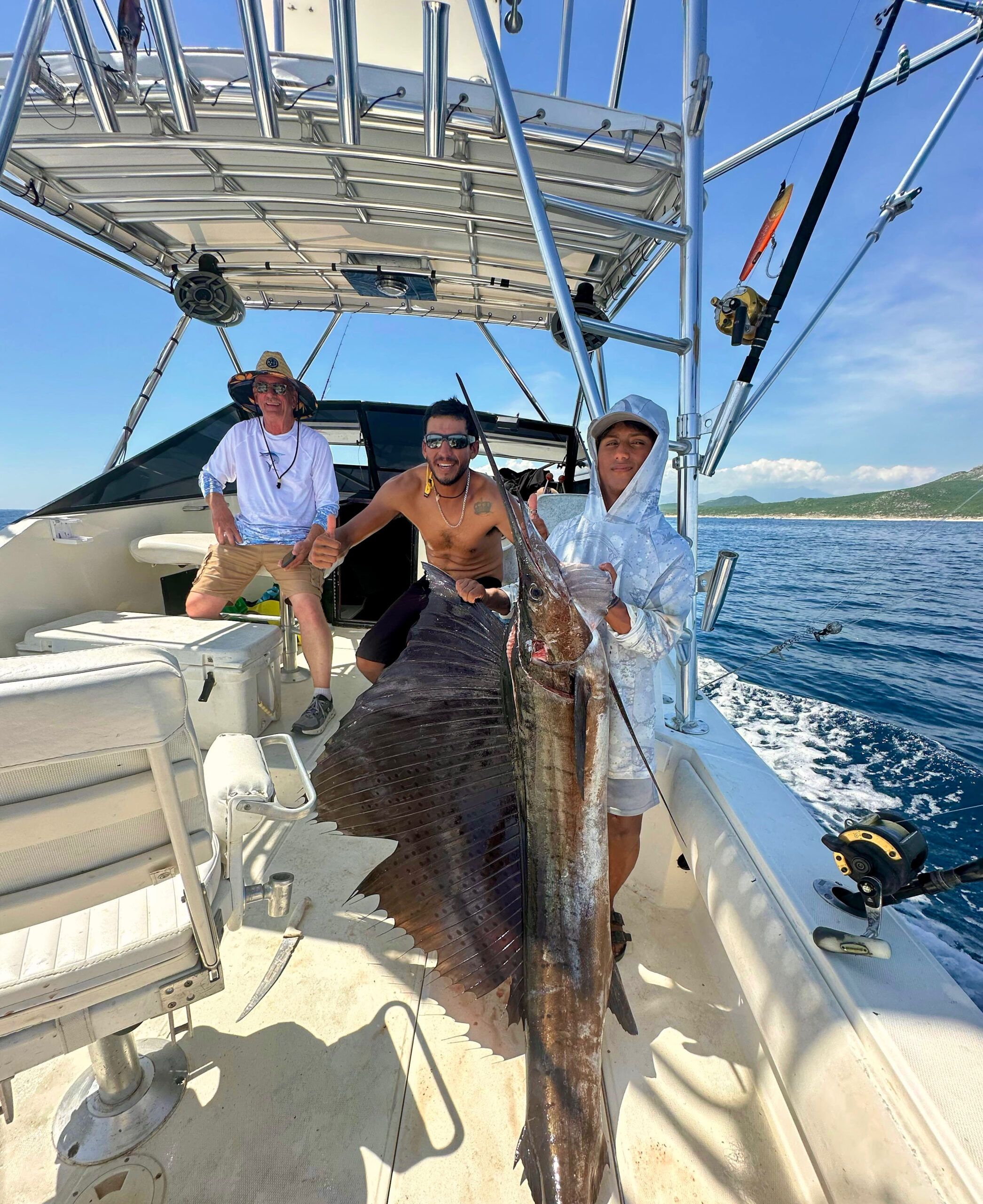
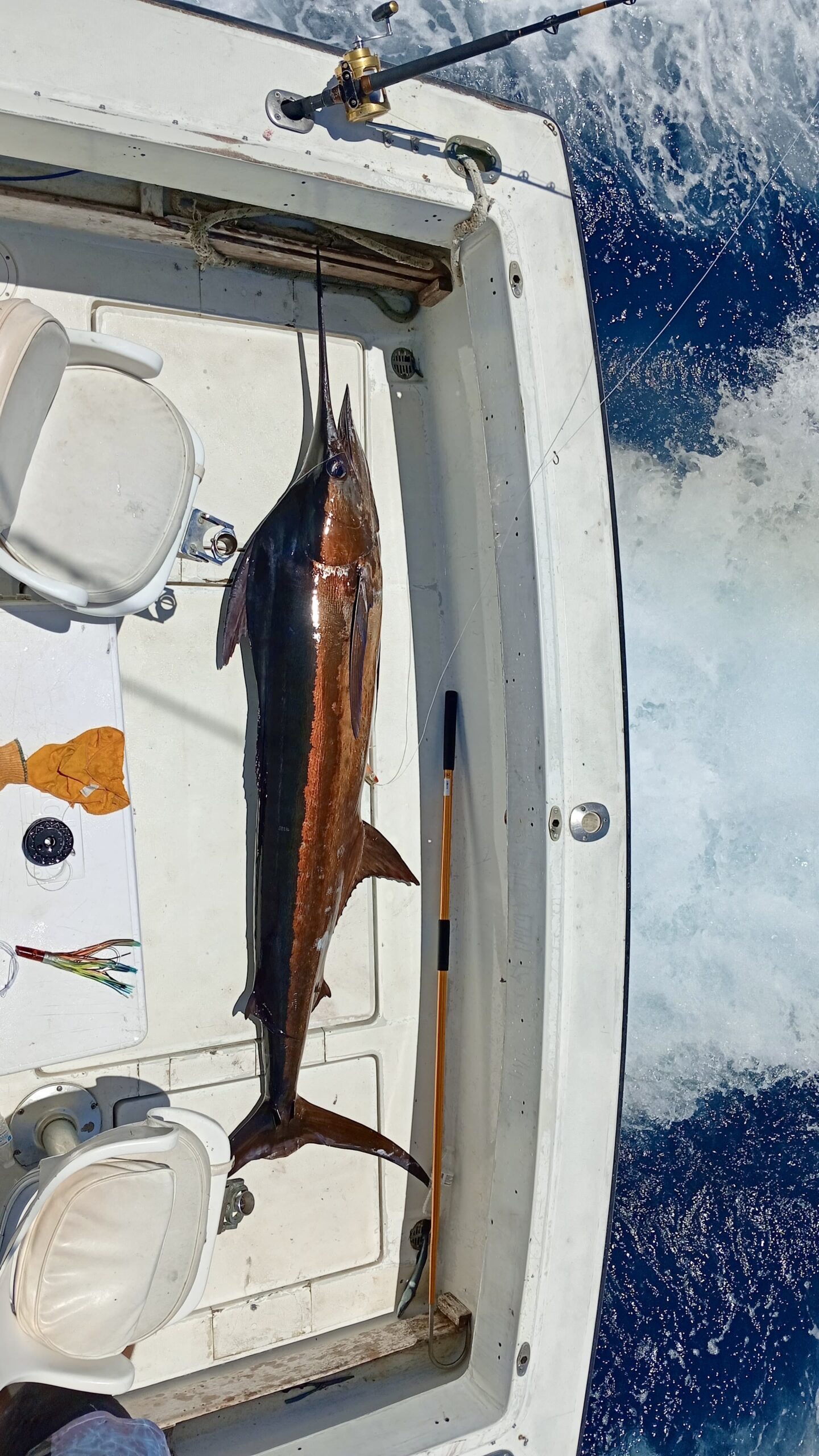
Real fish landed and released across the spots covered in this guide. Each zone produces its own signature trophies.
Los Cabos Fishing Spots FAQ
What is the best fishing spot in Los Cabos?
How far are the Gordo Banks from San Jose del Cabo?
What is the difference between Inner and Outer Gordo?
Can you fish the Pacific banks from San Jose del Cabo?
What is the closest fishing spot to Puerto Los Cabos Marina?
When is the best time to fish the Gordo Banks?
Where can I catch roosterfish in Los Cabos?
Is the Finger Bank worth the long run?
What is the 95 Spot?
Can I combine multiple spots in one fishing day?
- NOAA nautical charts of Baja California Sur and Gulf of California - bathymetry and seamount data
- The Billfish Foundation - regional billfish data for Pacific banks and Gordo Banks zone
- IGFA tournament records and zone production data for Los Cabos region
- UNESCO Sea of Cortez World Heritage documentation - biodiversity and ecosystem context
- Marlin Magazine - feature coverage of Golden Gate Bank, San Jaime Bank, Finger Bank seasonality
- Daliken Sportfishing operational logs - 2024-2026 zone production data, run times, and seasonality observations
- CONANP marine protected areas data - Cabo Pulmo National Park boundaries and adjacent legal waters
Fish Any Spot, On the Right Boat
Whether you want trophy tuna at Outer Gordo, winter marlin at Golden Gate, or roosterfish at Las Frailes, we have the boat and the local knowledge to put you on fish. WhatsApp Austin to plan your trip around the zones that match your target species.