
Cabo Pulmo
Fishing
The complete guide to fishing near Cabo Pulmo National Park: the no-take reserve that became the most successful marine recovery in the world, the legal East Cape waters surrounding it, and how Daliken can take you there.
"The most robust marine preserve in the world" - Scripps Institution of Oceanography
Cabo Pulmo National Park is one of the most documented marine conservation success stories on Earth. A small reef on the East Cape of Baja California Sur, protected as a no-take reserve since 1995, recovered 463% in fish biomass within a single decade and is now considered "the most robust marine preserve in the world." This guide explains what it is, why it matters, and how anglers can responsibly experience the waters around it.
What is Cabo Pulmo National Park?
Cabo Pulmo National Park (Parque Nacional Cabo Pulmo) is a protected marine area located on the East Cape of the Baja California Sur peninsula, approximately 60 miles north of San Jose del Cabo. It covers approximately 71 square kilometers (17,564 acres) and protects one of the only living hard coral reefs in North America's Pacific waters, estimated to be around 20,000 years old.
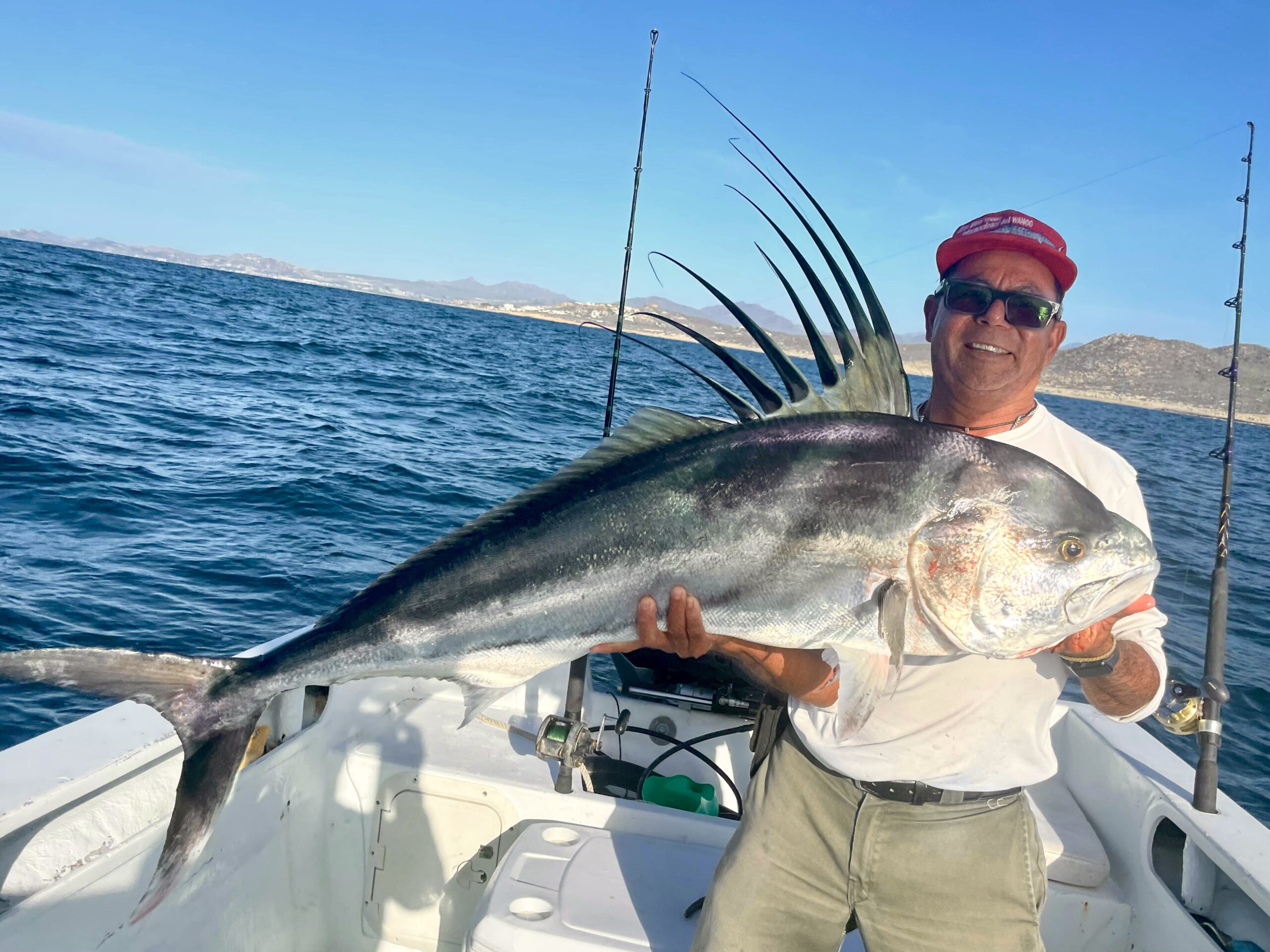
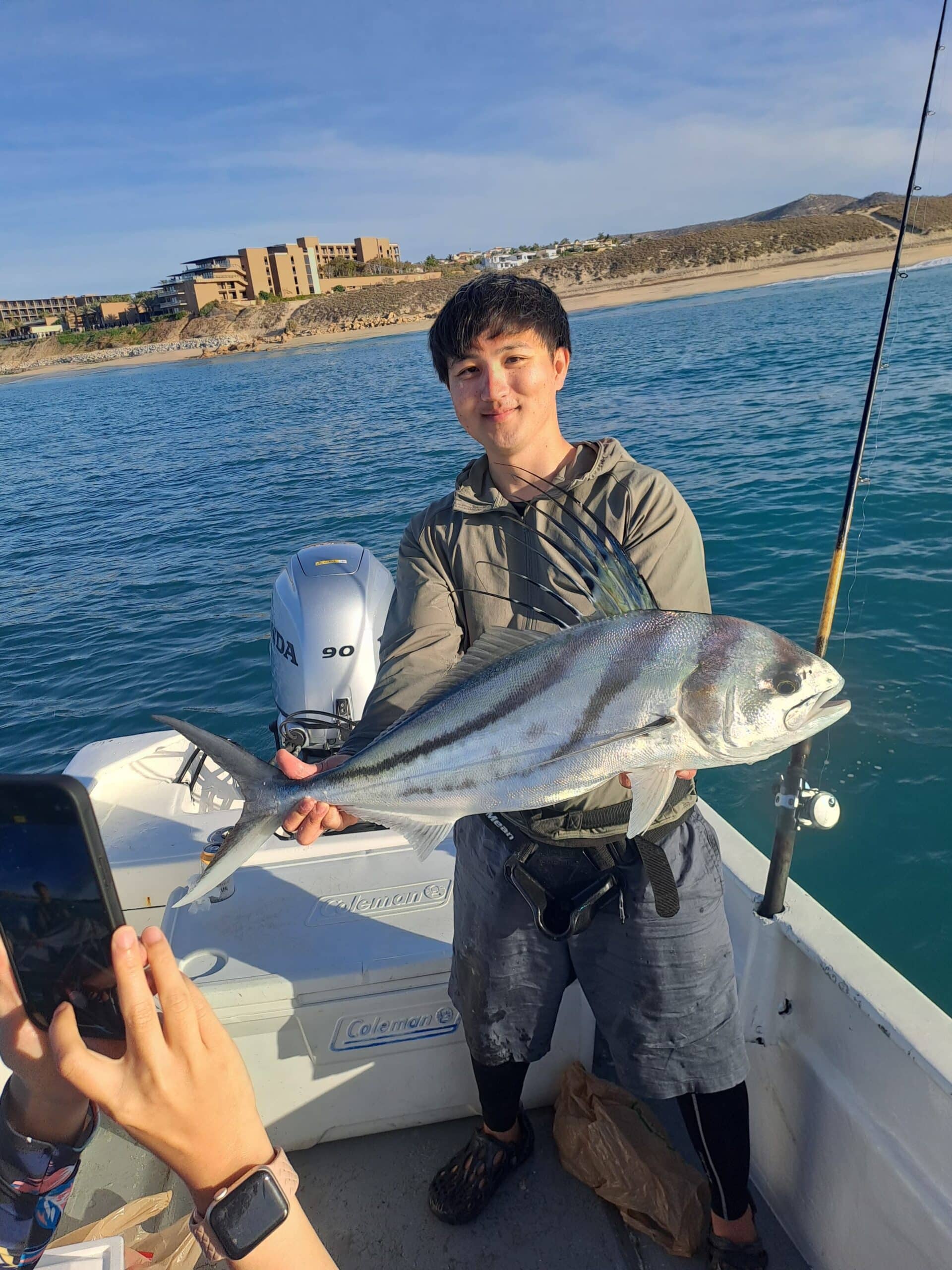
A Daliken angler with a Pacific Roosterfish caught in East Cape waters. The Roosterfish population in this region is one direct beneficiary of the conservation framework anchored by Cabo Pulmo.
What makes it unique
- One of the few hard coral reefs in the entire eastern Pacific Ocean
- Designated a National Marine Park in 2000
- UNESCO Natural World Heritage Site since 2005
- Ramsar International Wetlands site
- Nearly 100% no-take zone, enforced by the local community
- Home to one of the largest documented recoveries of marine biomass in the world
Fishing is strictly prohibited inside Cabo Pulmo National Park. It is a no-take zone with active community enforcement. Daliken does not fish inside park boundaries under any circumstances. We do fish in the legal East Cape waters surrounding the park, which is what this guide covers.
How a Local Community Saved a Reef
The story of Cabo Pulmo is not primarily a story about government or science. It is a story about a small fishing community that recognized their own livelihoods were collapsing and asked the Mexican government for permission to stop fishing their own reef. That decision in the 1990s set in motion one of the most documented marine recoveries on Earth.
The Castro family and grassroots advocacy
Mario Castro and his family, members of the small Cabo Pulmo fishing community, led the grassroots effort to create a protected reserve. They had watched their reef decline through decades of overfishing. After conversations with researchers from the Autonomous University of Baja California Sur in La Paz, the community made an extraordinary decision: stop fishing the reef entirely.
Government partnership
The Mexican federal government granted protected status in 1995, formalizing what the community had already begun to enforce. In 2000 the area was upgraded to National Marine Park status. UNESCO recognition followed in 2005.

The Cabo Pulmo community transitioned from a fisheries-based economy to an eco-tourism economy. By 2006, locally owned small-scale tourism operations were generating approximately 538,000 USD per year, with per-capita income significantly higher than the Mexican national average. Conservation paid better than fishing.
The 463% Recovery Story
In 1999, scientists from Scripps Institution of Oceanography conducted baseline surveys of 60 reefs across the Gulf of California, including Cabo Pulmo. Four years after the reserve was established, fish biomass at Cabo Pulmo was statistically indistinguishable from other protected areas and open-access fishing zones in the region. Then something extraordinary happened.
The peer-reviewed evidence
In 2011, Octavio Aburto-Oropeza and colleagues from Scripps Institution of Oceanography published their decade-long study in the peer-reviewed journal PLOS ONE. The paper, titled "Large Recovery of Fish Biomass in a No-Take Marine Reserve," documented changes between 1999 and 2009 with rigorous scientific methodology. The results were so dramatic that the lead author has stated the team rechecked their numbers before publishing because the recovery exceeded anything observed in marine reserves anywhere else in the world.

The biomass recovery inside Cabo Pulmo benefits the surrounding ecosystem through "spillover." Healthy populations of large pelagic species like marlin in the broader Sea of Cortez region are partially attributable to the regional conservation framework anchored by the park.
Why Cabo Pulmo succeeded when others did not
Researchers attribute Cabo Pulmo's exceptional results to a combination of factors absent in other Mexican marine protected areas:
- Strong community leadership from local families directly invested in outcomes
- Social cohesion in a small population that could effectively self-police
- Effective enforcement driven by community pressure rather than only by federal authority
- High percentage of no-take area (nearly 100% of the park, versus 0% in some other Mexican MPAs)
- Economic alternatives through eco-tourism that paid better than fishing
- Adequate time (more than a decade) for ecosystem recovery to manifest
Where Cabo Pulmo Is
Cabo Pulmo National Park is located on the East Cape of the Baja California Sur peninsula, approximately 60 miles by road north of San Jose del Cabo. It sits on the western shore of the Sea of Cortez, in a remote area accessible by a partially paved road that crosses semi-arid desert before descending to the coast.
From San Jose del Cabo
Approximately 60 miles by road north along Highway 1 and then east on local roads. Driving time about 1.5 to 2 hours depending on conditions. Last stretch of road can be dirt/gravel.
From Puerto Los Cabos Marina (by sea)
Approximately 40 to 50 nautical miles north along the coast. Trip time depends on conditions and boat speed; typically 2 to 3 hours one way on a fast sport fisher.
From La Paz
Approximately 80 miles south by road via Highway 1. Driving time about 2 hours. Many divers and snorkelers use La Paz as their access point.
The Cabo Pulmo town
The town of Cabo Pulmo itself is tiny: a few dozen permanent residents, a handful of family-run dive shops, modest lodging options, and a couple of restaurants. The remote, undeveloped character of the area is part of why conservation has worked here. The community decided, decades ago, to keep development scale small and protect the reef as their long-term asset.
Cabo Pulmo Park Rules
Cabo Pulmo is a fully protected marine park. Understanding what is and is not allowed inside park boundaries is essential before planning any trip to the area. The rules exist to protect what makes the park exceptional.
Activities prohibited inside the park
- All forms of fishing (commercial, recreational, sport, subsistence)
- Spearfishing
- Collecting any marine life (shells, coral, fish, invertebrates)
- Anchoring on coral
- Touching or standing on coral
- Feeding marine wildlife
- Using non-reef-safe sunscreens
- Discharging waste or garbage
Activities permitted with operator/permit
- SCUBA diving with certified local operators
- Snorkeling at designated sites
- Boating in designated zones
- Educational and scientific research with proper permits
- Photography and observation
The Cabo Pulmo community itself enforces park rules in addition to federal PROFEPA officials. Local operators and residents report violations and the small, tight-knit community makes infractions visible quickly. The success of the park depends on continued enforcement.
Daliken position
Daliken Sportfishing does not fish inside Cabo Pulmo National Park under any circumstances, regardless of client requests. The park boundaries are respected without exception. We fish in legal East Cape waters surrounding the park, where excellent sportfishing is available and fully permitted under Mexican law.
Sportfishing in East Cape Waters Near Cabo Pulmo
While fishing inside the park is prohibited, the surrounding East Cape region offers some of the best sportfishing in Mexico. The area benefits from a phenomenon biologists call "spillover": fish populations inside the protected reserve grow until they exceed local carrying capacity, then spill into adjacent open waters where anglers can legally pursue them.
The key fishing zones near Cabo Pulmo
- East Cape sand beaches (Los Frailes, Rancho Leonero area): World-class Roosterfish inshore fishery
- Outer offshore drop-off (10 to 30 miles offshore): Billfish, dorado, tuna, wahoo
- Punta Pescadero region: Excellent dorado and tuna grounds in season
- Boca de Salado area: Inshore mixed-species fishing
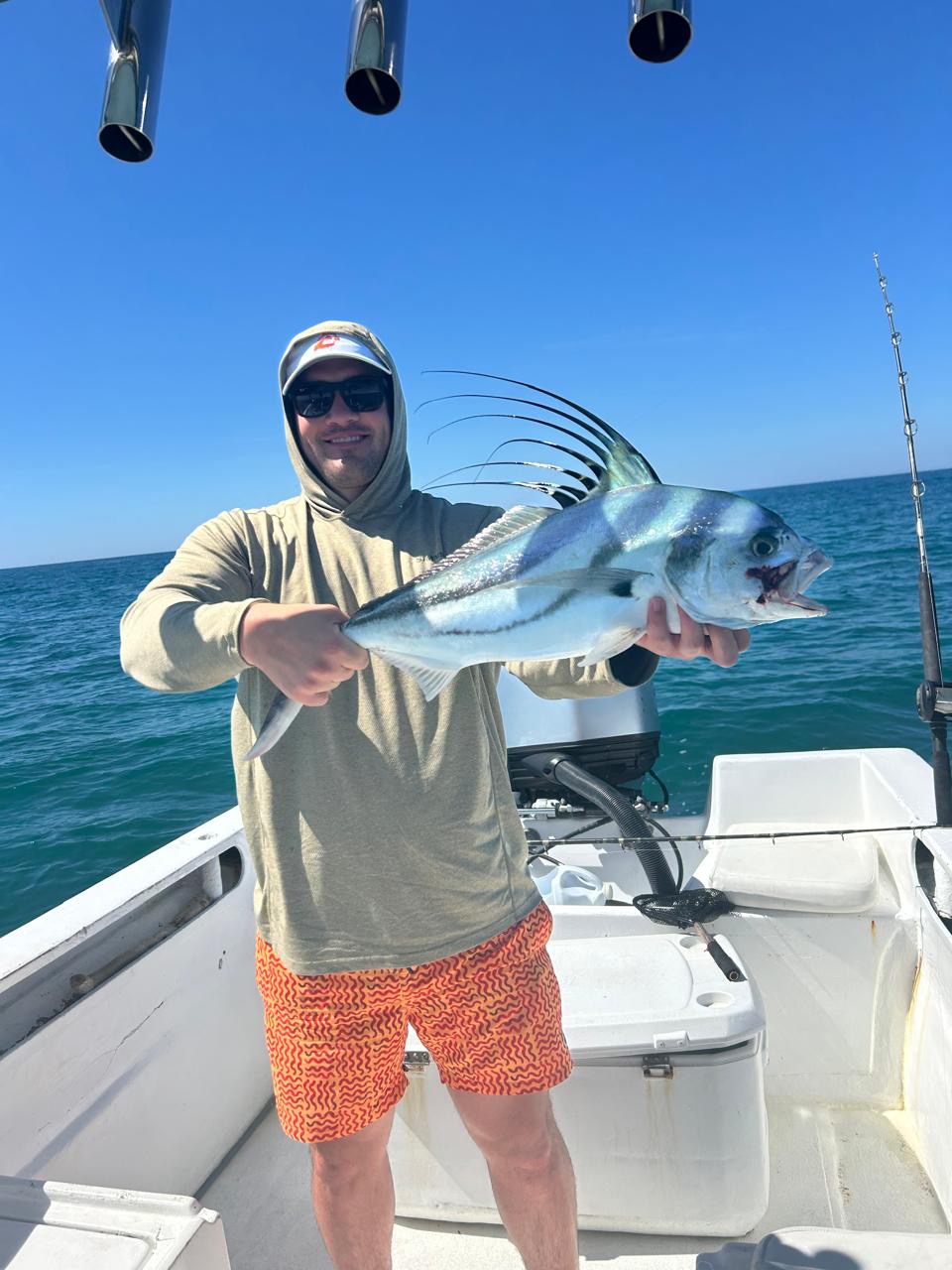
East Cape sand beaches between Los Frailes and Rancho Leonero are world-renowned for Roosterfish. The healthy populations here are sustained in part by the spillover effect from the protected Cabo Pulmo reef.
The spillover effect
Research has consistently shown that successful no-take marine reserves like Cabo Pulmo produce measurable benefits to fisheries in adjacent open waters. Adult fish migrate out of the protected zone as populations exceed local capacity. Larval fish produced inside the reserve drift on currents to seed broader regions. This is one reason East Cape sportfishing has remained strong even as other parts of the Sea of Cortez have faced pressure.
When fishing East Cape waters near Cabo Pulmo, we strongly recommend catch and release for Roosterfish and all billfish. The area's reputation as a world-class fishery depends on responsible angling. Selective harvest of dorado, tuna, and wahoo within legal limits is fine for the table.
Species in East Cape Waters
The East Cape region around Cabo Pulmo holds an exceptional diversity of sportfish. Some species are present year-round, others arrive seasonally with water temperature changes and bait migrations.
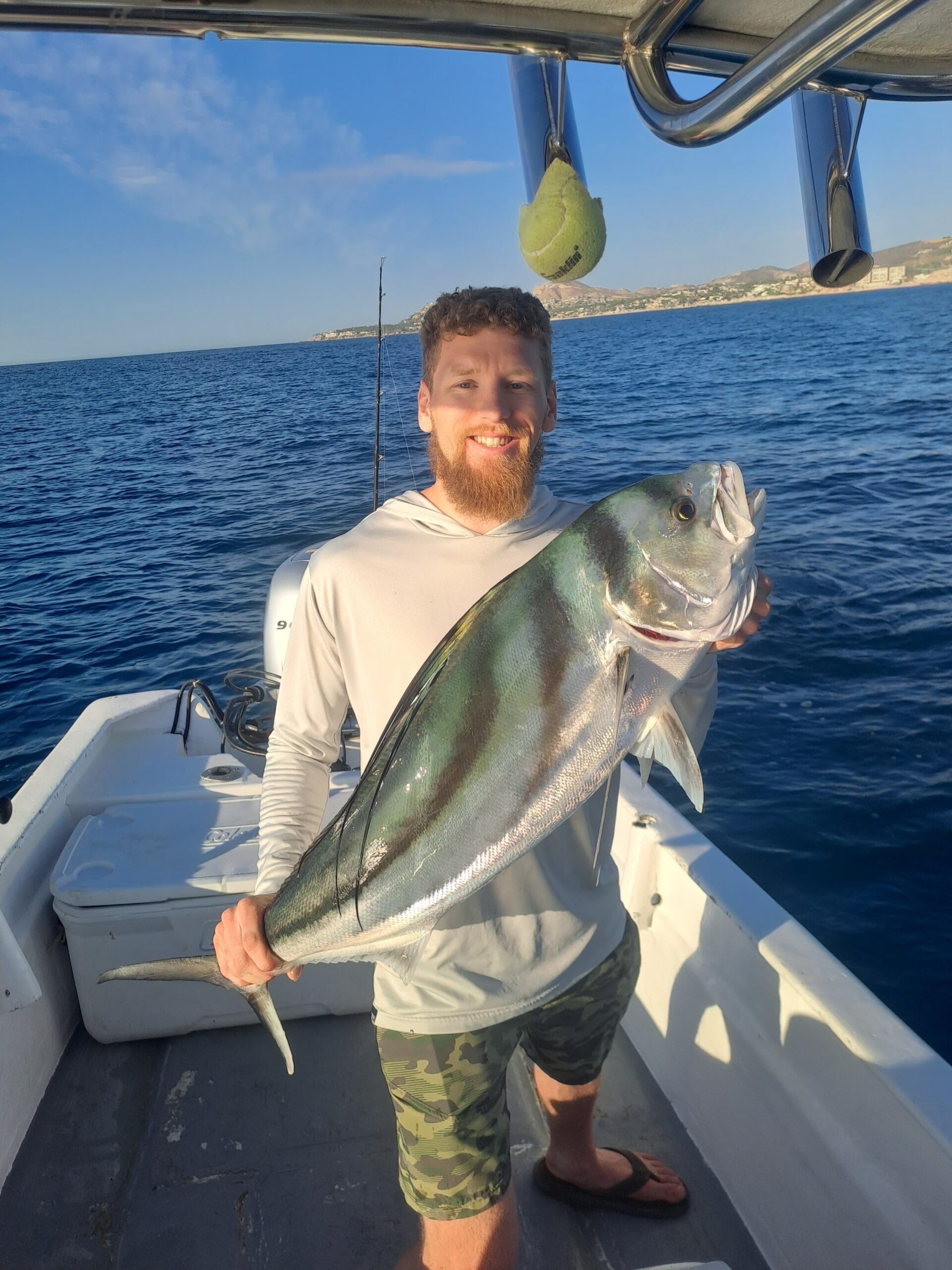
Roosterfish: the East Cape signature species
The East Cape is one of the world's premier Roosterfish destinations. The Roosterfish (Nematistius pectoralis) is famous for its distinctive seven-spine "rooster comb" dorsal fin and explosive surface strikes near the beach. Catch and release is increasingly the standard among responsible operators because Roosterfish grow slowly.
Best season
Peak Roosterfish action runs May through October, with the very best window typically June through September. Inshore beach fishing with live bait (mullet, sardines) is the classic technique.
Other major species in the region
Blue, Black & Striped Marlin
Year-round offshore with peak action June through November. Catch and release standard.
Dorado (Mahi-Mahi)
Excellent year-round with peak action April through October. Fast-growing and great table fish within limits.
Yellowfin Tuna
Excellent offshore species. Peak action varies by year but generally summer and fall months.
- Wahoo: Fast pelagic species, excellent eating; peak fall/winter
- Sailfish: Released always; peak summer months
- Jack Crevalle: Strong inshore fighter
- Pargo (Snapper): Several species, excellent eating
- Yellowtail (Jurel): Winter and spring months
- Sierra Mackerel: Winter months, fast inshore action
How Daliken Can Take You to East Cape Waters
Daliken Sportfishing departs from Puerto Los Cabos Marina in San Jose del Cabo. East Cape waters near Cabo Pulmo are accessible by extended-range trips on our larger boats. The Habanero 28ft is the recommended option for an East Cape day.
26ft Super Panga
Works for closer East Cape waters in good weather windows. Less range than the Habanero. Best for nearshore Roosterfish and dorado trips closer to Puerto Los Cabos.
28ft Habanero
Our recommended boat for East Cape trips. Better range, comfort, onboard restroom, and capability for longer offshore runs. Can reach productive East Cape waters efficiently.
33ft+ Sport Yachts
For groups wanting maximum comfort and capability for an extended East Cape day. Larger yachts available on request including 33ft, 35ft, and 43ft options.
Important considerations for East Cape trips
- Travel time from Puerto Los Cabos to productive East Cape waters is typically 1.5 to 3 hours each way depending on boat and conditions
- Consider booking an 8 hour trip (instead of standard 6 hours) to maximize fishing time
- Weather conditions on the East Cape can differ from San Jose del Cabo waters; some days may not be suitable
- For dedicated Cabo Pulmo dive/snorkel experiences, we recommend booking with local Cabo Pulmo operators who specialize in eco-tourism
Eco-Tourism Options Inside the Park
If you want to experience what Cabo Pulmo actually is, the best way is non-extractive: snorkeling or SCUBA diving with local operators based in the town of Cabo Pulmo. These activities are permitted, regulated, and directly support the conservation economy that has made the park sustainable.
SCUBA Diving
Numerous certified dive sites within the park. Schools of jacks, snappers, groupers, bull sharks (seasonal), turtles, and the rare experience of seeing apex predators in numbers.
Snorkeling
Designated snorkel sites accessible by boat. Excellent for non-divers wanting to experience the reef. Reef fish abundance is extraordinary.
Wildlife Encounters
Seasonal opportunities to see whale sharks, manta rays, sea lions, humpback whales (winter), and rare species like the green moray eel.
The combo approach
Many serious anglers who want to experience the full East Cape spend one day fishing the legal waters with Daliken and another day snorkeling or diving in the protected park with local Cabo Pulmo operators. This combo lets you participate in both the active fishing tradition and the conservation success story that makes the area exceptional.
For SCUBA and snorkel trips inside the park, the local operators based in the Cabo Pulmo community have decades of expertise, depend directly on park conservation for their livelihoods, and are the right people to book with. We are happy to share recommendations when you book your fishing trip with us.
Real Catches from East Cape Waters
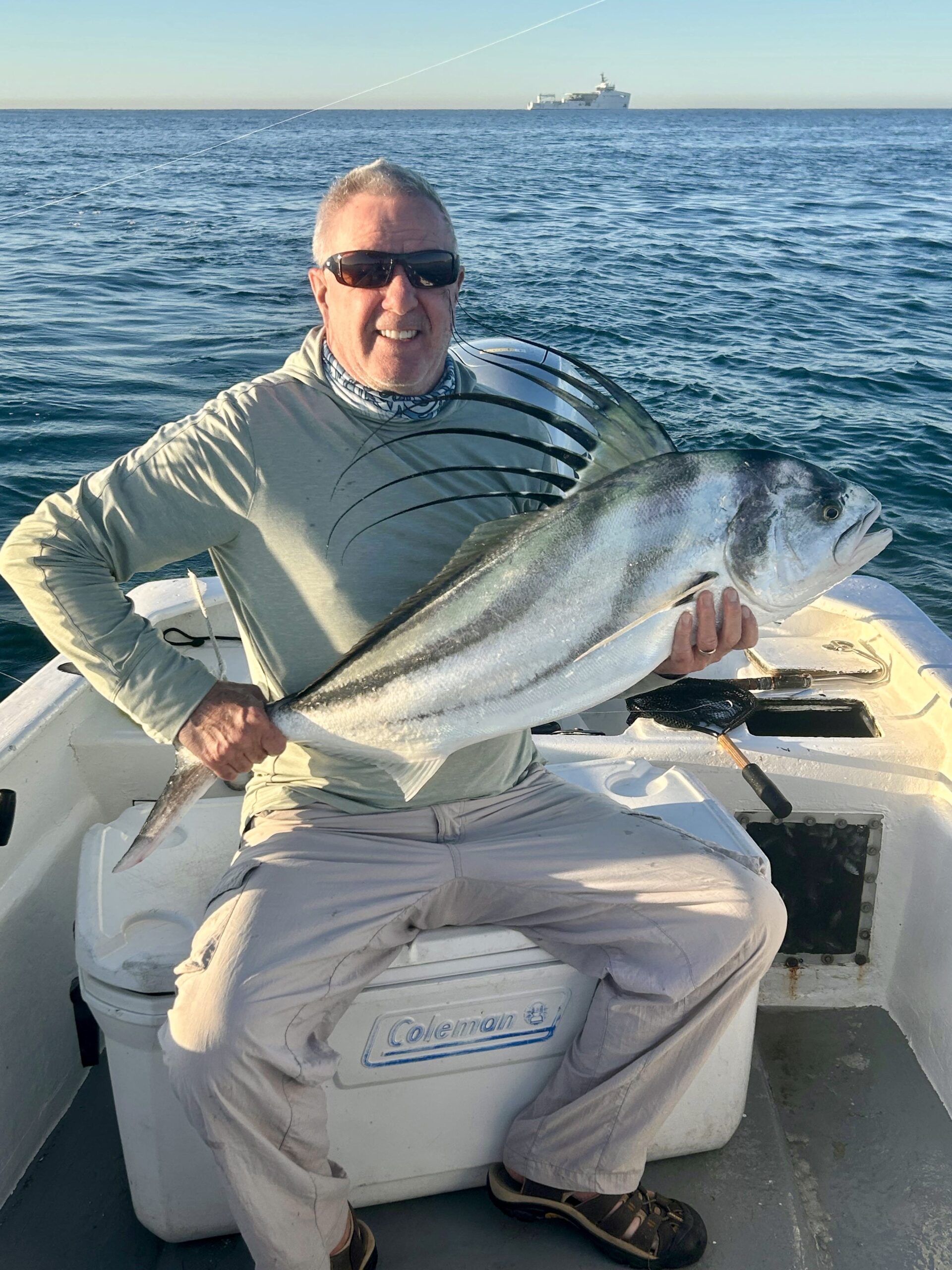
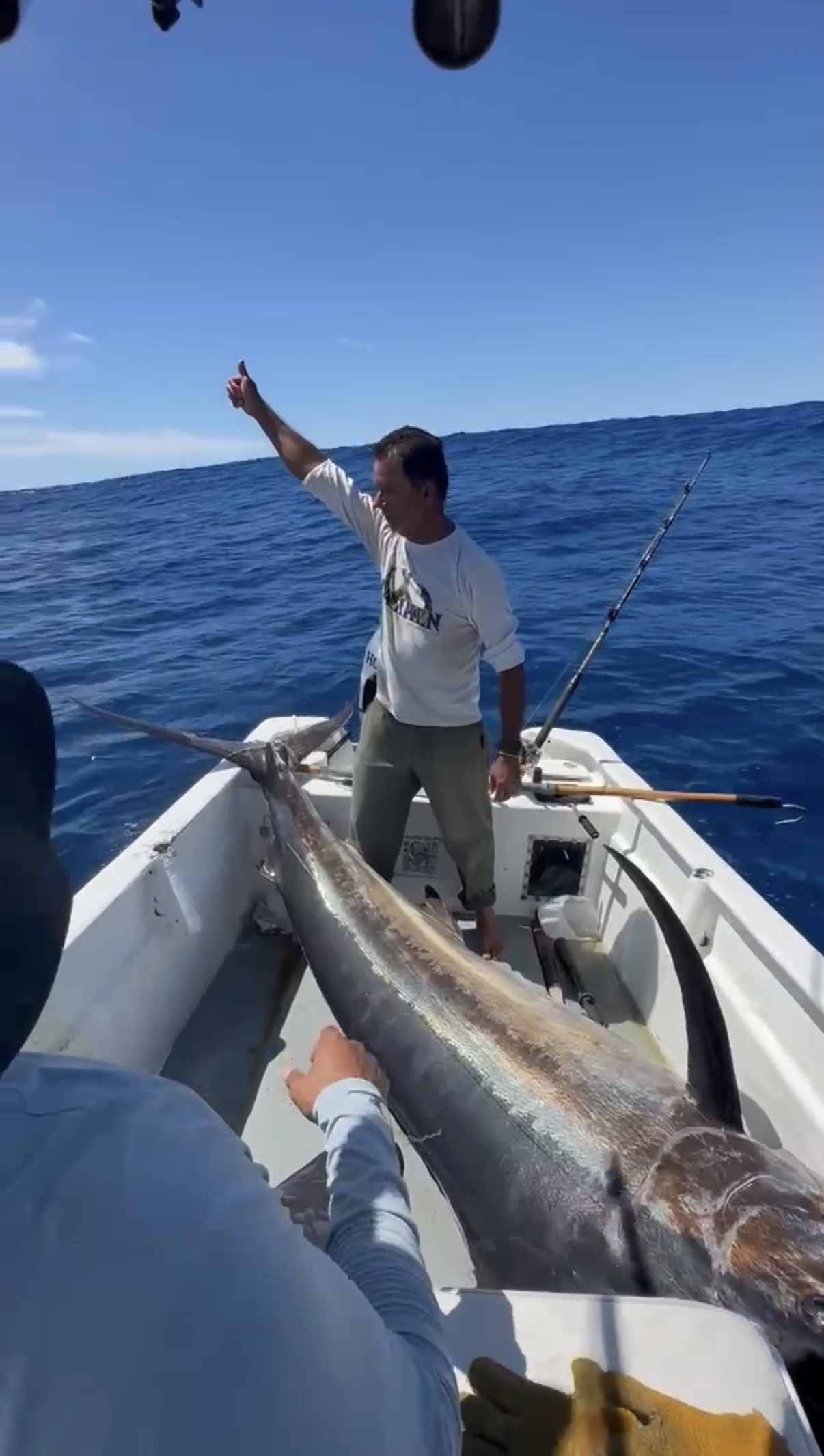
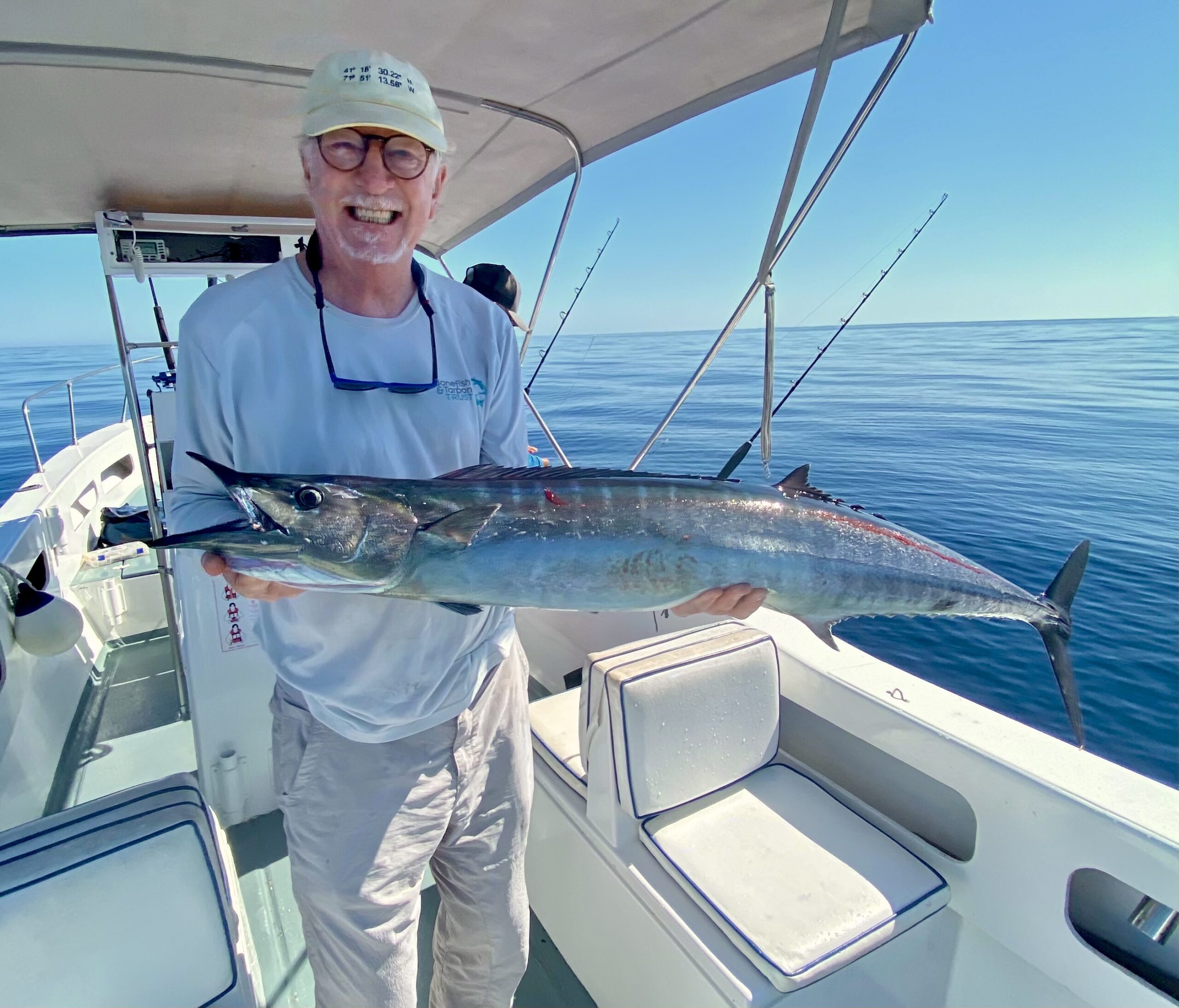
Real photos from Daliken Sportfishing trips in the East Cape region near Cabo Pulmo. All catches in legal fishing waters outside park boundaries.
Cabo Pulmo Fishing FAQ
Can you fish inside Cabo Pulmo National Park?
Where can you fish near Cabo Pulmo?
Why is Cabo Pulmo famous?
How far is Cabo Pulmo from San Jose del Cabo?
What species can you catch in East Cape waters near Cabo Pulmo?
Should I catch and release Roosterfish?
Can I go scuba diving in Cabo Pulmo?
How can I book a Daliken trip to East Cape waters?
Who pioneered the Cabo Pulmo conservation effort?
What is the spillover effect?
- Aburto-Oropeza, O., Erisman, B., Galland, G.R., Mascareñas-Osorio, I., Sala, E., et al. (2011). "Large Recovery of Fish Biomass in a No-Take Marine Reserve." PLOS ONE 6(8): e23601. Scripps Institution of Oceanography
- Smithsonian Ocean Portal - Cabo Pulmo Protected Area case study
- Smithsonian Ocean Portal - Cabo Pulmo: Giving Optimism to Coral Reefs
- Sierra Club - "What Happens After You Create One of the World's Most Successful Marine Preserves?"
- NRDC - "New study shows that Cabo Pulmo is the most robust marine preserve in the world"
- UNESCO World Heritage Centre - Islands and Protected Areas of the Gulf of California
- Steinbeck, J. & Ricketts, E. (1941). The Log from the Sea of Cortez
- Autonomous University of Baja California Sur (UABCS) - ongoing research
- CONANP (Mexican National Commission of Natural Protected Areas)
Experience East Cape with Daliken
Plan an East Cape fishing trip in legal waters near the most successful marine reserve in the world. WhatsApp Austin directly to discuss boat options and timing.